
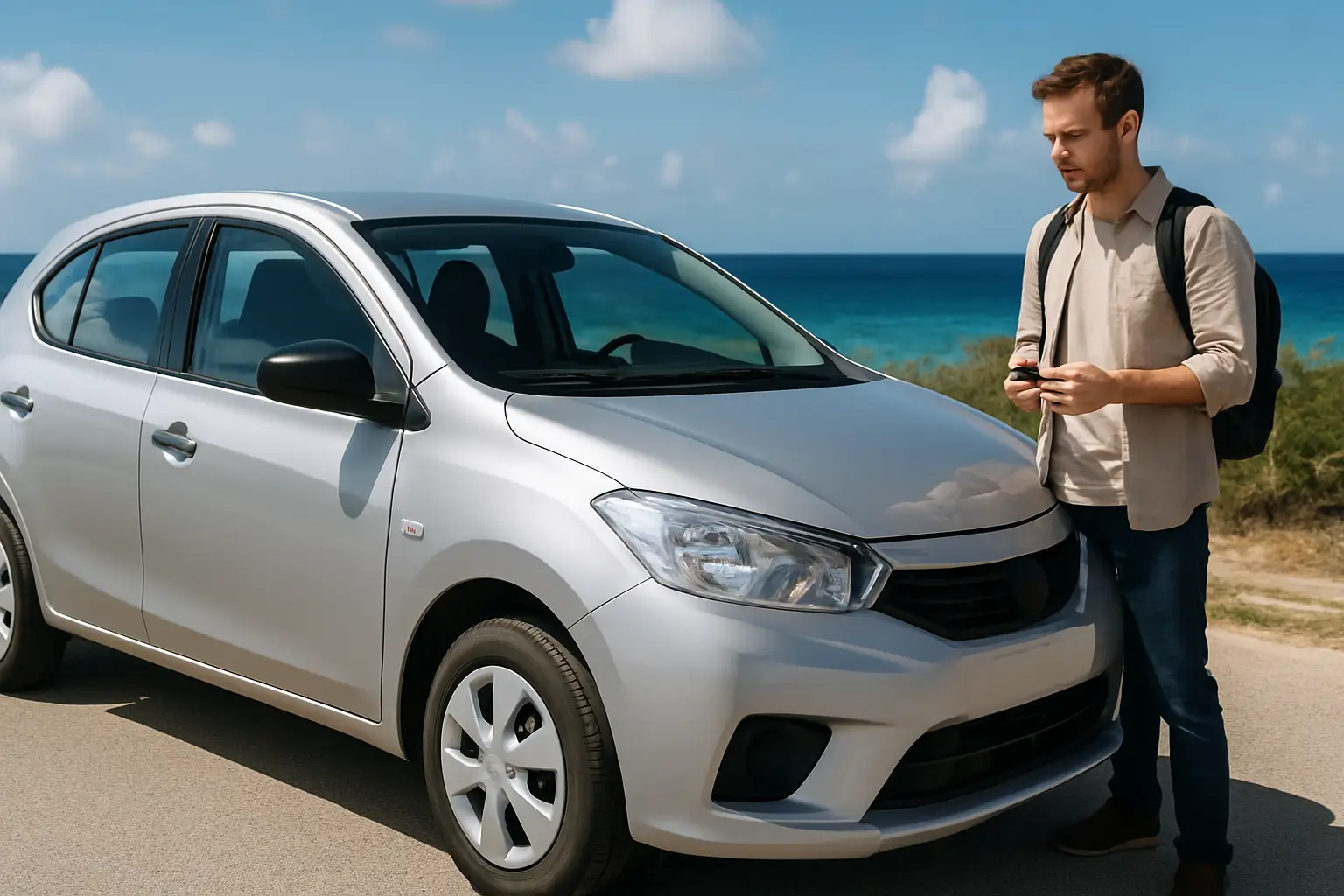
You land in Bonaire with a plan: grab groceries, check in, catch the sunset, and be in the water early tomorrow. The fastest way to keep that plan intact is having your own wheels – and for a lot of travelers, an economy car is the sweet spot.
Economy car rental in Bonaire is less about getting the cheapest possible daily rate and more about matching the car to the island you actually drive. Bonaire is relaxed, but it is not a “walk everywhere” destination unless your whole trip stays in one neighborhood. If you want freedom to chase shore dive sites, explore Rincon, or simply run errands without waiting on taxis, an economy car can be exactly right – as long as you know where it fits and where it doesn’t.
When an economy car is the right call in Bonaire
If your itinerary is mostly paved-road exploring, an economy car keeps things simple. You can get from Flamingo Airport to Kralendijk quickly, bounce between restaurants, beaches, and shops, and still have room for day bags and a cooler.
For couples and small groups traveling light, economy cars are easy to park and easy to live with. They are also a smart choice if you plan to book dive packages with guided boat dives and only do a handful of shore sites that have straightforward access.
The biggest advantage is comfort and efficiency without overpaying for capability you never use. Bonaire has plenty of short drives, and a smaller car is often the least stressful option in town.
The trade-off: economy vs Bonaire’s rougher edges
Bonaire’s main roads are generally fine, but many of the places visitors love most are reached by roads that feel like “real island driving.” Some popular shore dive entries and scenic spots come with rough pavement, broken shoulders, dirt sections, or coral rock.
This is where “economy” becomes a decision, not just a budget line. An economy car can handle more than people expect when you drive slowly and choose routes wisely. But low clearance and smaller tires mean you have to be selective. You may find yourself skipping a site you wanted if the last stretch looks too aggressive for your comfort level.
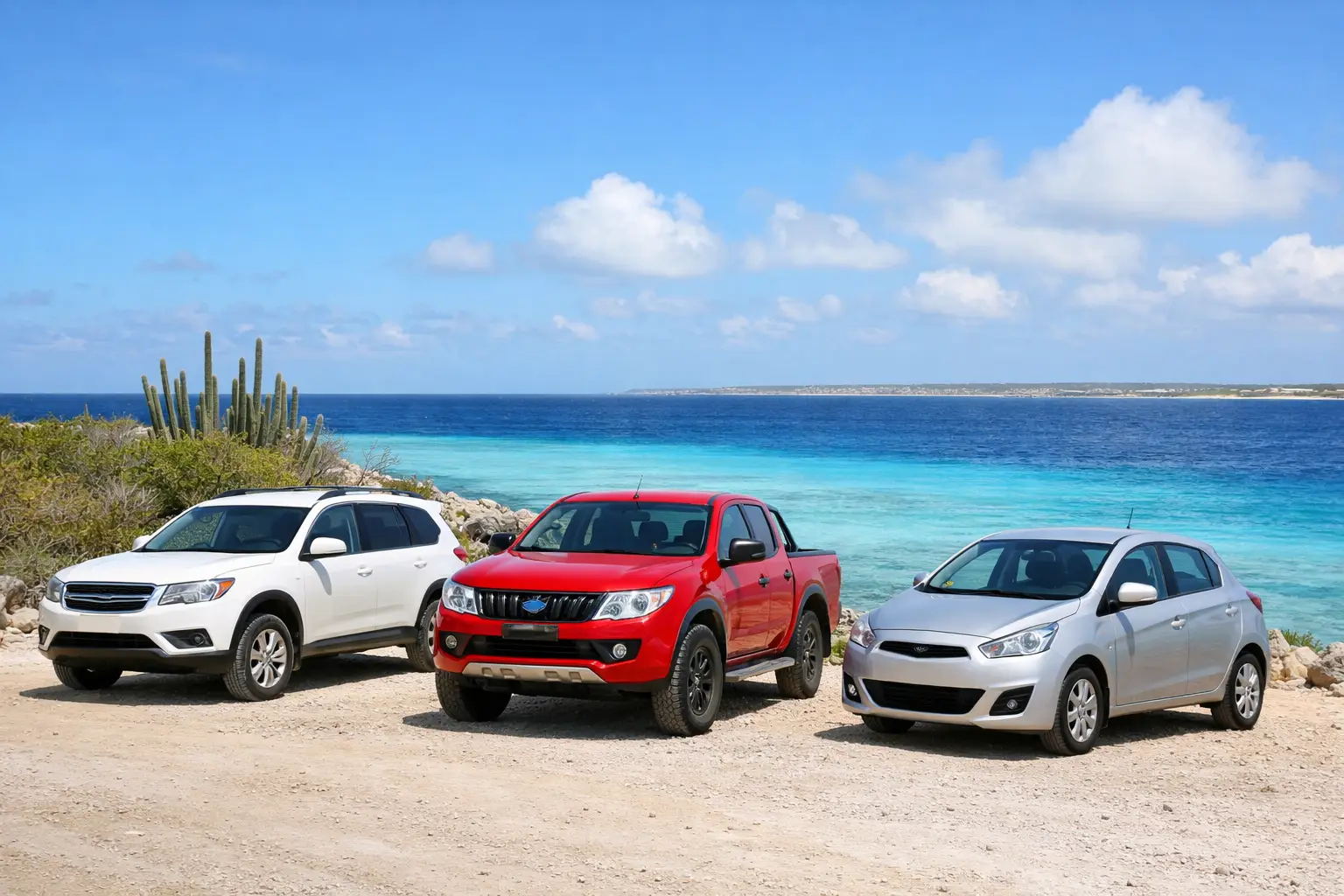
If Washington Slagbaai National Park is on your must-do list, that’s usually the moment to consider upgrading. The park roads are famously rugged, and most visitors are happier in a pickup or 4×4. The cost difference can be worth it simply for peace of mind and a better day.
What driving is actually like
Driving in Bonaire is straightforward, but it helps to arrive with the right expectations.
In town, it’s calm and slow. You will see pedestrians, scooters, cyclists, and plenty of visitors navigating new streets. Outside town, roads open up, but you should still expect the occasional surprise: an unexpected pothole, a sharp speed bump, or a goat that has no interest in your schedule.
If you are used to big-city driving, Bonaire feels easy. If you are used to perfect pavement, Bonaire feels more “real.” Either way, the best tip is simple: slow down earlier than you think you need to, especially at night.
Parking and security: the practical reality
Parking is generally easy around Kralendijk and at most beaches and dive sites. The bigger topic is security, because it affects what kind of car you want and how you use it.
Bonaire is friendly, but like any destination with lots of visitors, theft can happen. The standard local advice is to keep cars empty and unlocked at certain spots so there is nothing to break a window for. That can sound strange if you are visiting from the US, but it’s common island practice.
An economy car works well here because you can keep it simple. Bring a dry bag or small backpack that you take with you. Avoid leaving phones, wallets, or cameras in the car – even “hidden.” If you are hauling dive gear, consider how you will manage valuables at shore entries.
Fuel, distances, and why “cheap per day” isn’t the whole cost
Bonaire is not large, and you are rarely driving long distances. That’s one reason economy cars make sense – fuel stays reasonable, and you are not paying for extra capacity you don’t use.
But a low daily rate does not automatically mean the best deal. Pay attention to what is included and how smooth your pickup process will be. A great economy rental is one where you are on the road quickly, the car is clean and dependable, and pricing stays clear from reservation to return.
If you are comparing quotes, look for the real-life costs: taxes, insurance options, deposits, additional driver fees, and whether you need to arrange your own ride from the airport.
Economy car rental Bonaire for dive trips: honest fit check
Divers make up a big part of Bonaire travel, and diving changes the equation.
If you are mostly boat diving, an economy car is typically enough. You are driving to the dock, to dinner, and to the supermarket – easy.
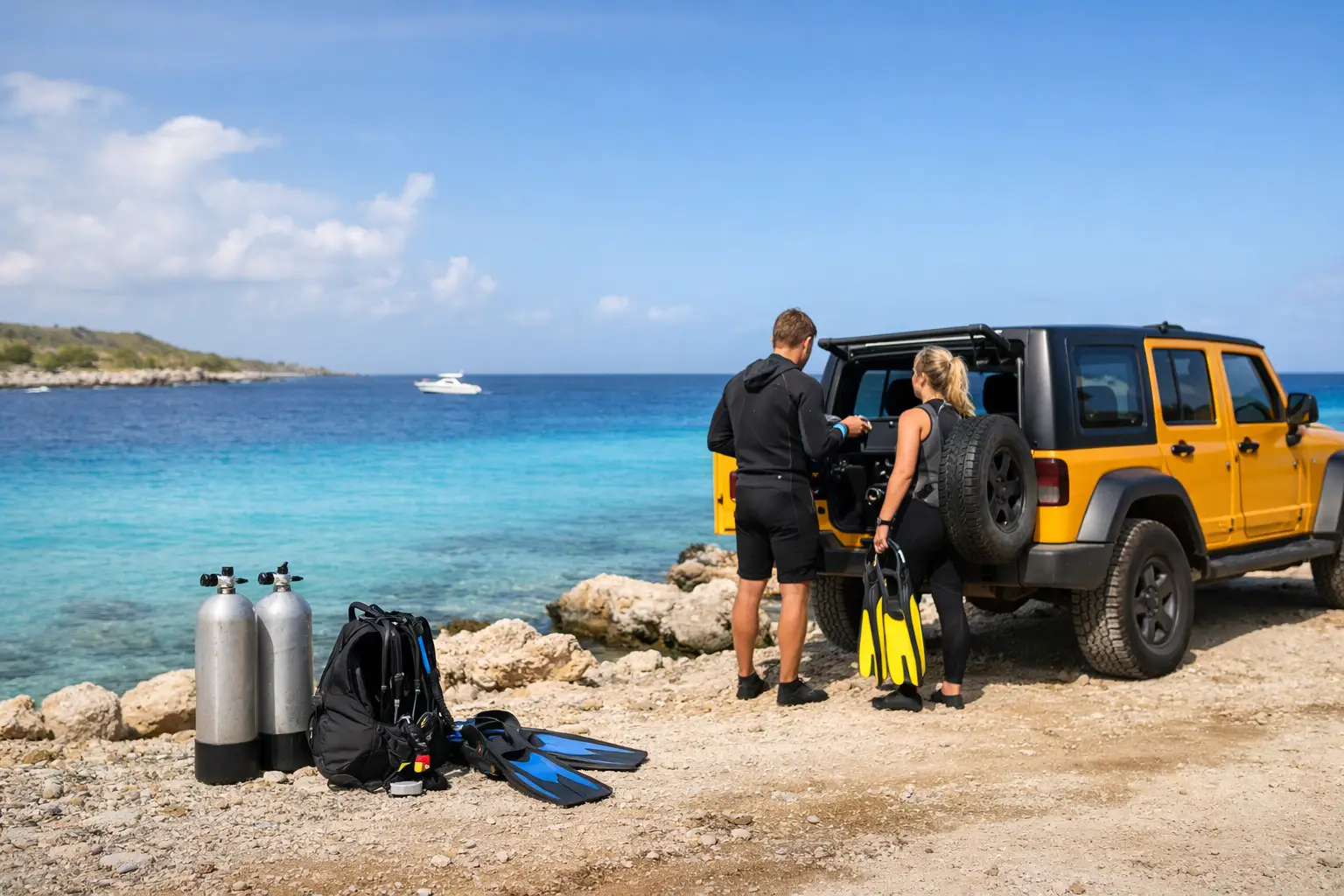
If you are dedicated to shore diving, you will want to think through volume and mess. Tanks, wet gear, weights, and coolers add up quickly. A small trunk fills fast, and sand and saltwater show up everywhere. Some divers still choose an economy car and do just fine by packing light and staying organized. Others prefer a pickup because it keeps wet gear out of the cabin and makes tank loading painless.
There is also the access issue. Many iconic shore sites are reachable in a normal car if you go slow, but a few become more comfortable with higher clearance. If your trip is built around “two shore dives a day, different site every time,” upgrading can reduce friction.
When to upgrade: a simple way to decide
Upgrading is not about luxury. In Bonaire, it’s usually about capability.
If one or more of these is true, consider stepping up from an economy car:
- You plan to drive Washington Slagbaai National Park.
- Your group has 3-5 adults plus luggage and gear.
- Your itinerary is shore-dive heavy and you want to try more remote sites.
- You want the easiest loading for tanks, coolers, and wet equipment.
If none of that applies, an economy car often hits the best value point. You get freedom and comfort without paying for features you won’t use.
Booking tips that save time when you land
Bonaire arrivals are happiest when the first hour is simple. The best economy car rental experience is the one where you are not standing around negotiating details after a flight.
Reserve in advance if you can, especially during busy travel seasons. Choose a company that makes pricing easy to understand and that responds quickly if you have questions before you arrive.
Also, think about arrival logistics. Airport pickup and drop-off removes a lot of stress, particularly if you are traveling with family, arriving late, or just want to start your vacation instead of managing transportation.
If you want a local, family-run option that keeps the process straightforward, Caribe Car Rental Bonaire offers economy cars along with a fleet designed for diving and national park trips, plus free airport transfers and online reservations at https://caribebonaire.com.
What to check before you drive off
Even with an economy rental, a two-minute check can prevent a headache later. Look over the tires, note any obvious scrapes, and make sure lights and signals work. Ask how fuel is handled and what to do if you have a question during your rental.
Then set yourself up for the island: bring water in the car, keep sunglasses handy, and plan to drive slower than you would at home. That is not just “being careful.” It is how you stay relaxed and enjoy the freedom you came for.
Your best Bonaire days are usually the ones where you can change your mind at 4:30 pm – pull off for a beach stop, grab a snack in Rincon, or take the long way back just because the light looks good. The right economy car makes those little decisions effortless, and that’s what island time is supposed to feel like.
 EN
EN  EN_CA
EN_CA  NL
NL