
You land in Bonaire, step outside, and the trade winds hit. Ten minutes later you are staring at your luggage, maybe a couple of dive bags, and wondering one very practical thing: what kind of vehicle makes the island easy instead of complicated.
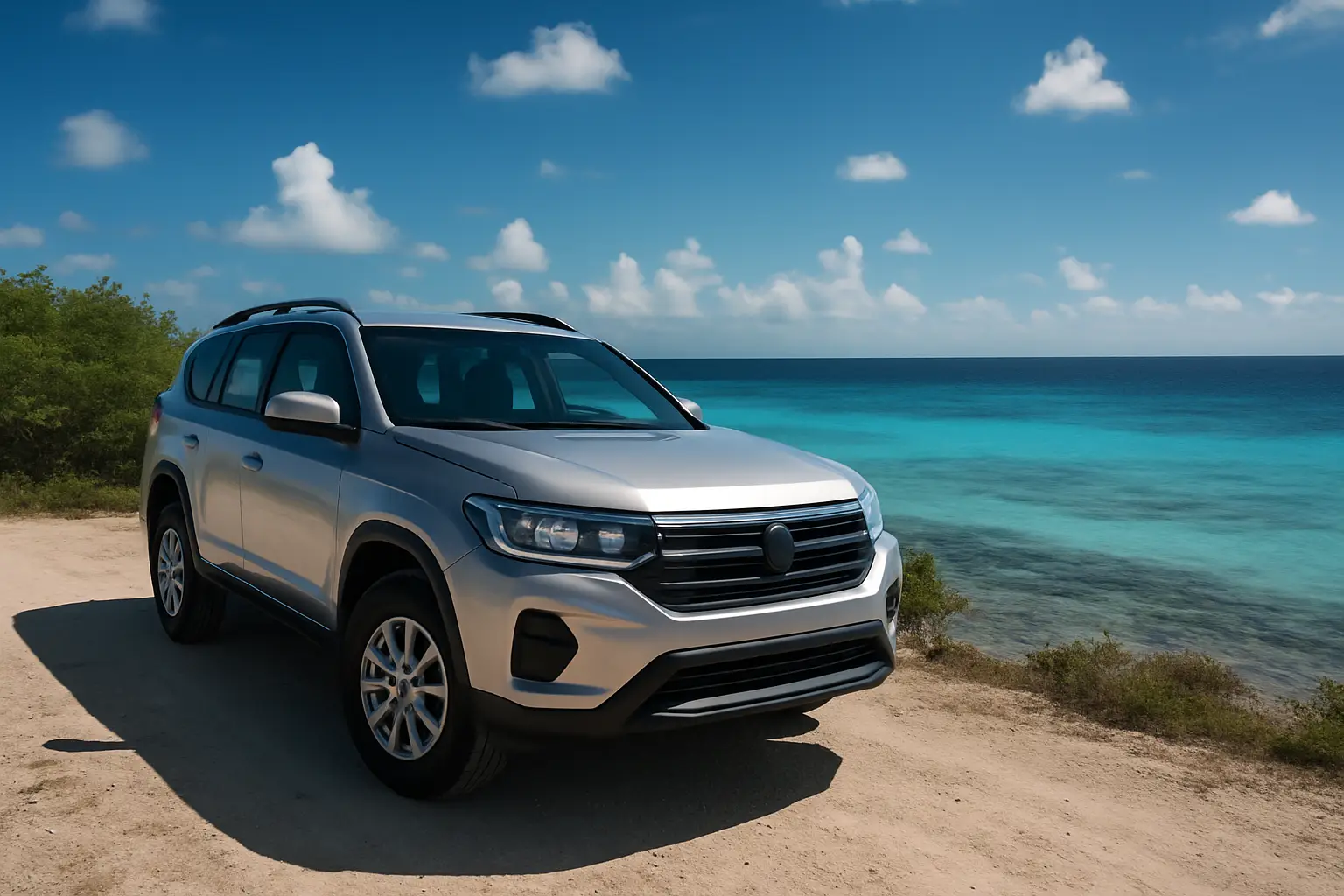
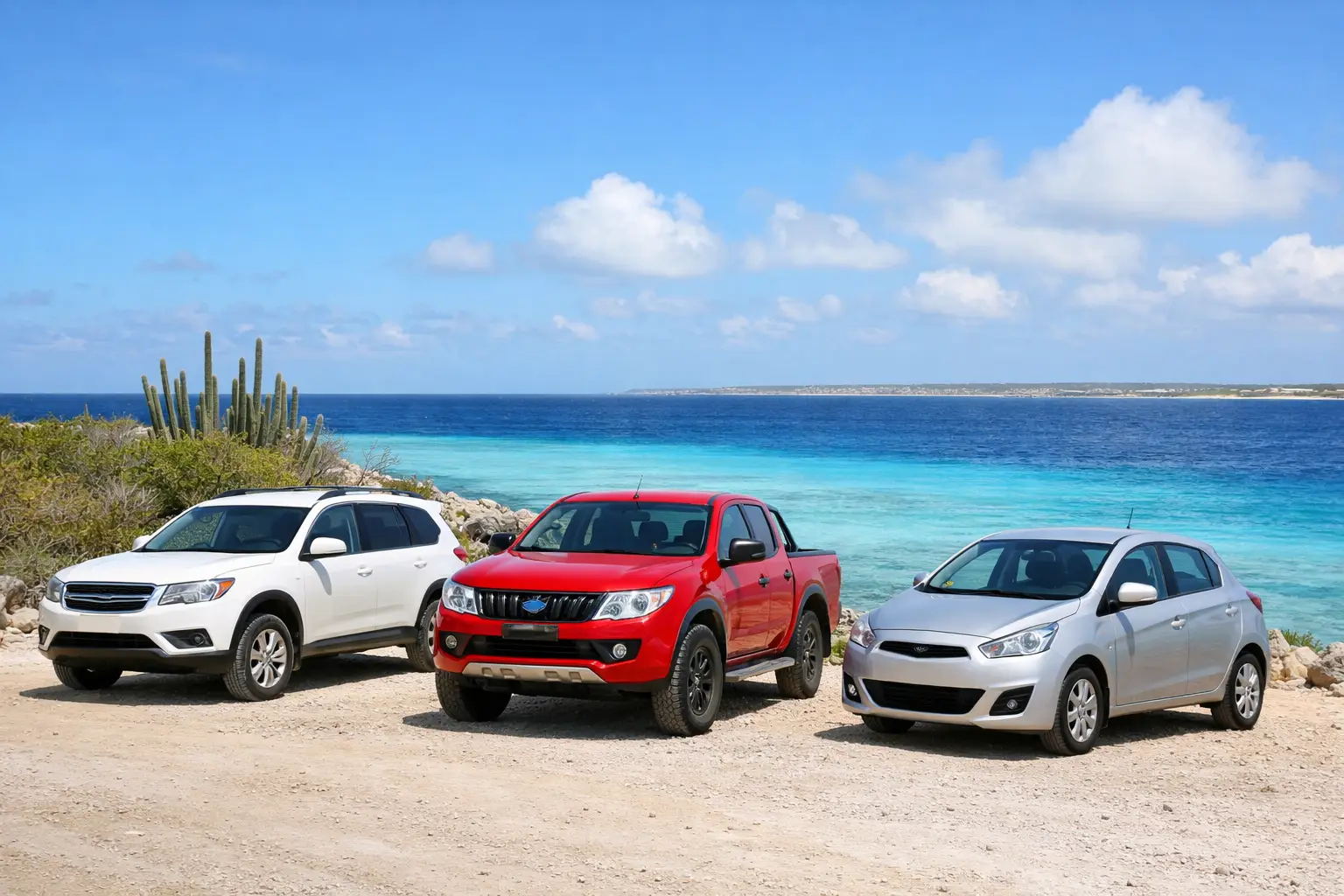
For a lot of visitors, an SUV is the sweet spot. It is comfortable for longer drives, forgiving on rougher roads, and roomy enough for beach gear, tanks, and a cooler without turning the cabin into a storage unit. But “SUV rental Bonaire” is not one-size-fits-all. The best choice depends on where you plan to drive, what you plan to carry, and how much you care about fuel use versus capability.
Why an SUV makes sense on Bonaire
Bonaire is relaxed, but the driving needs are real. The paved roads around Kralendijk and along the main coastal routes are straightforward. The moment you start doing what people come here to do – reaching dive sites, chasing sunsets, or heading into Washington Slagbaai National Park – conditions change.
An SUV earns its keep in three ways: ground clearance, cargo space, and comfort. Clearance matters when you are pulling into rocky beach access points or easing along uneven shoulder areas near popular dive entries. Cargo space matters when your group has fins, wet gear, rinse water, and maybe groceries for a week. Comfort matters more than people expect, especially if you are doing multiple shore dives a day and everyone is climbing in and out with damp towels and tired legs.
There is a trade-off, though. SUVs typically cost more than small economy cars and can use more fuel. If your plan is mostly restaurants, town, and a couple of guided boat dives with minimal gear, a compact car may be perfectly fine. If you want freedom to roam with less planning and fewer “can we make it?” moments, an SUV starts to look like a very rational upgrade.
Picking the right SUV for your trip
The “right” SUV is usually the one that matches your group size and your highest-demand day, not your easiest day. Think about the day you will carry the most stuff and drive the farthest. Book for that, and the rest of the trip feels effortless.
Couples and light packers
If it is two adults and you pack smart, a compact SUV can be ideal. You get a higher driving position and extra room for beach chairs, snorkel gear, and day bags without paying for more vehicle than you need. This is a good fit if you will do a mix of southern coastal dive sites and town dinners, with maybe one or two bigger excursions.
Families and groups
With three or four adults, or a family with car seats and bulky luggage, you will appreciate a mid-size SUV. You want rear-seat comfort and a cargo area that can handle groceries, strollers, or multiple sets of dive gear without blocking the rear window.
Dive-heavy itineraries
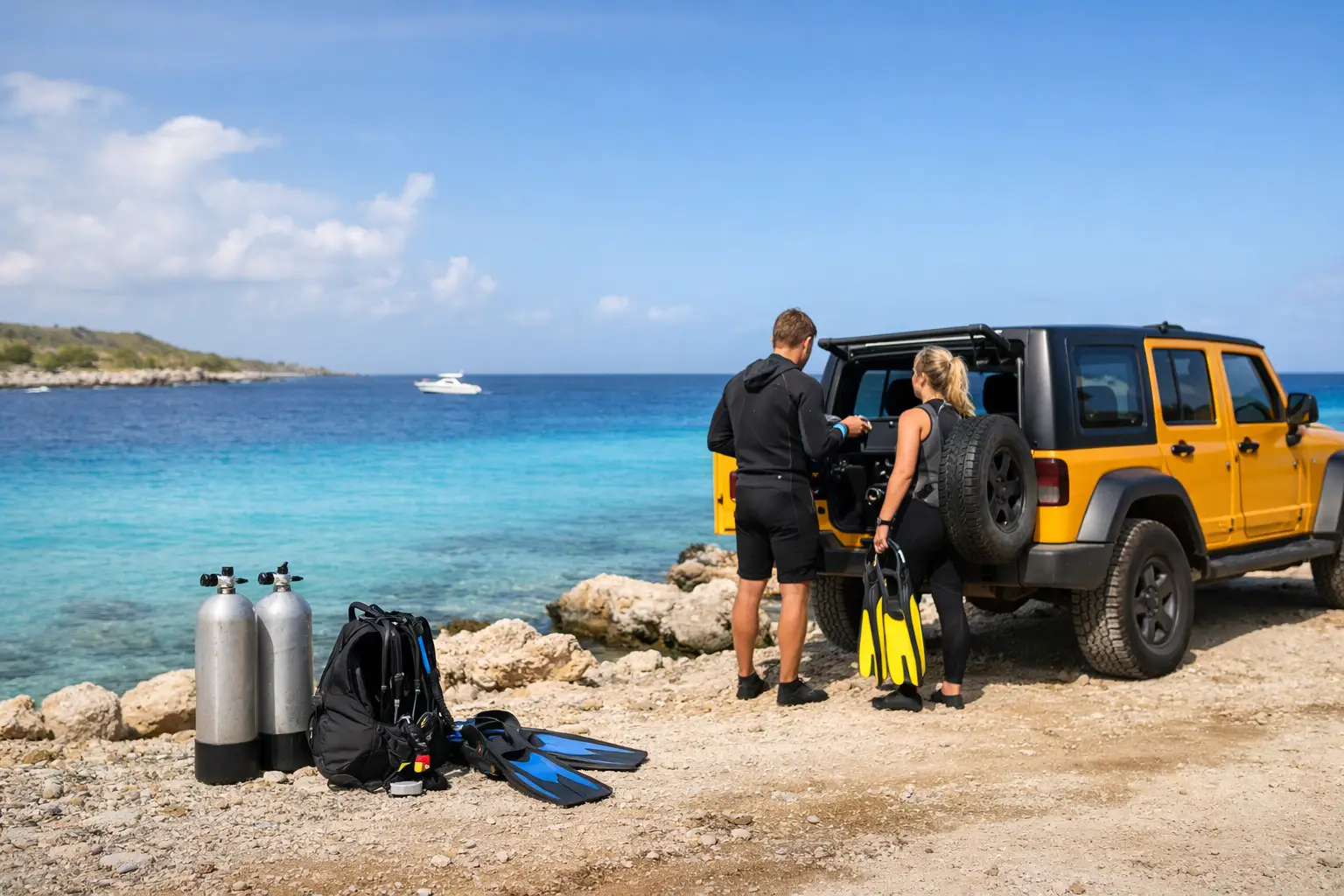
If your schedule is built around shore diving, space and practicality beat looks every time. You will want room for tanks and gear, plus a layout that makes it easy to load and unload repeatedly. Many divers on Bonaire also prefer the flexibility of pickup trucks for tank hauling and wet gear, but an SUV can still work well if you are organized and do not mind keeping gear inside the cabin.
Park days and rough roads
Washington Slagbaai National Park is a highlight for many visitors, and it is not the place to gamble with low clearance. For the park, capability matters more than comfort. Depending on current conditions and what roads you plan to take, a higher-clearance vehicle is a smart move, and many travelers choose a 4×4 for maximum confidence.
If the park is a must-do on your trip, plan your vehicle choice around it. It is much easier to book the right vehicle from day one than to try to switch last-minute when availability is tight.
Do you need 4×4, or is 2WD enough?
This is the question people get wrong in both directions.
If you are mainly staying on paved roads and well-traveled routes to popular beaches and dive sites, 2WD is usually enough. You still benefit from the higher clearance and added stability of an SUV.
If you want to explore more remote areas, drive deeper into the park, or you simply do not want to think about road conditions, 4×4 is a confidence upgrade. It can also be helpful after heavy rain when some surfaces get slick or rutted.
It depends on your tolerance for detours and your desire to keep plans flexible. If you are the type of traveler who likes to decide at breakfast where the day goes, 4×4 can feel like freedom.
What driving is actually like on Bonaire
Bonaire driving is not stressful, but it is different from back home.
Road surfaces vary. You will see smooth pavement, patched areas, and sections where the ride gets bumpy. Speed is not the point here. The island rewards slow and steady.
Parking at many shore dive sites is informal. You may pull off onto coral rock or uneven ground, and you will appreciate a vehicle that does not scrape easily.
You will also share the road with cyclists, scooters, and the occasional donkey crossing where you least expect it. The best “feature” any rental has is a driver who stays alert and gives everyone space.
How to book an SUV rental in Bonaire without overpaying
Booking early is the simplest way to get both the category you want and a price you feel good about. Peak travel weeks can tighten inventory fast, especially for higher-capability vehicles.
When you compare options, look beyond the daily rate. Ask what is included, how pickup works, and how much time you will spend waiting. A deal is only a deal if it saves you friction.
Airport logistics matter more than people expect. After a flight, nobody wants a complicated shuttle plan or a long counter line. Many travelers prefer a rental partner that can meet them, get them moving quickly, and answer local questions on the spot.
If you want a local team with a simple process and free airport transfers, you can reserve an SUV with Caribe Car Rental Bonaire and get set up for easy island exploring from the moment you arrive.
The small details that make an SUV rental feel easy
A good SUV on paper can still feel annoying in real life if you do not plan for the basics.
First, be honest about luggage. Two checked bags plus two carry-ons plus dive gear adds up quickly. If you are traveling with friends, decide whether you want to travel as one group or split into two vehicles. Two smaller vehicles can sometimes be more comfortable than squeezing into one larger one, especially if everyone has gear.
Second, plan for wet and sandy days. Bonaire is a beach-and-ocean island. Bring a couple of large towels to protect seats, keep a small trash bag for wet items, and consider a simple rinse routine so the cabin stays pleasant all week.
Third, think about where you will spend your time. If most of your driving is south toward the salt flats and popular dive sites, an SUV is about comfort and cargo. If you are doing repeated park visits or chasing remote viewpoints, capability rises to the top.
SUV vs pickup truck on Bonaire
This comes up constantly, especially with divers.
An SUV is great when you want secure, enclosed storage and a quieter ride. If you are traveling with family, or you want to keep bags out of sight, it is a practical choice.
A pickup truck is popular for shore diving because tanks and wet gear can ride in the bed, keeping sand and saltwater out of the cabin. Many visitors also like the simpler load-and-go feel.
The trade-off is comfort and exposure. A pickup bed is not enclosed, and some travelers prefer the peace of mind of keeping everything inside. If you are planning to carry a lot of wet gear daily, a pickup can feel purpose-built. If you want a more “all-around” ride for mixed plans, an SUV is often the best compromise.
What to expect when you arrive
A smooth arrival is part of the rental experience, not a bonus.
Have your driver’s license ready, know your reservation details, and be clear about who will drive. If you are arriving with a group, decide in advance who is in which vehicle and how you will load bags so you are not reorganizing in the curbside heat.
Once you are on the road, take a few minutes to get familiar with the vehicle. Adjust mirrors, test the lights, and make sure you know how the locks work. Those tiny steps prevent the “why is this beeping?” moment later when you are tired and trying to park near dinner.
Making the most of your SUV once you have it
An SUV gives you options, so use them.
Do an early-morning loop before the island warms up. Stop at a quiet shoreline spot with coffee. Run a grocery trip when stores are calm. Take the scenic route back to your place. The best part of having your own vehicle on Bonaire is that you can move at your pace, not on a schedule.
And if your plans change – more beach time, an extra dive, a spontaneous park day – the right SUV makes those changes feel easy instead of expensive.
A helpful way to think about it is this: book the vehicle that lets you say “yes” to the day you want, even if you have not planned every detail yet.
 EN
EN  EN_CA
EN_CA  NL
NL