
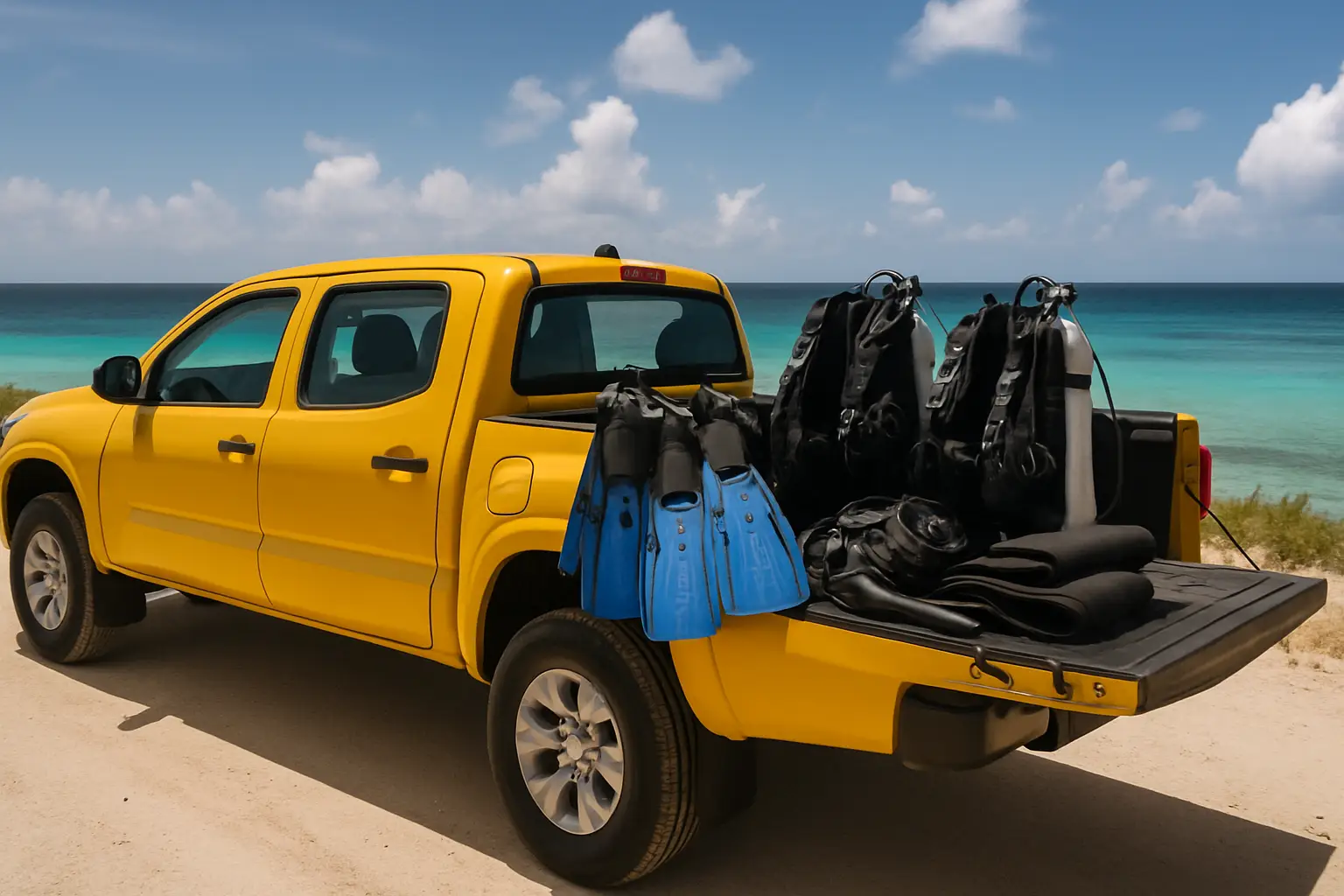
You can spot a dedicated Bonaire dive vehicle in about three seconds: a couple of tanks clinking in the back, a wet mesh bag, and a driver who knows exactly where the next yellow rock is.
On Bonaire, your rental car is not just transportation. It is your gear shuttle, your surface interval hangout, your grocery runner, and sometimes your plan B when the wind shifts and you decide to swap sites. That is why the “best vehicle for diving in Bonaire” depends less on what looks good in a parking lot and more on what makes your diving days easy, safe, and low-stress.
What “best vehicle for diving in Bonaire” really means
For most visitors, the best vehicle is the one that handles three realities of shore diving here: you will carry tanks, you will get wet gear in and out all day, and you will park close to salt air and sun for hours at a time.
That pushes the decision toward vehicles that are simple, practical, and not precious about sand and dripping BCDs. Comfort matters too, but the comfort you will appreciate most is space that works and a setup that keeps your gear from turning the cabin into a swamp.
Pickups: the classic Bonaire dive setup
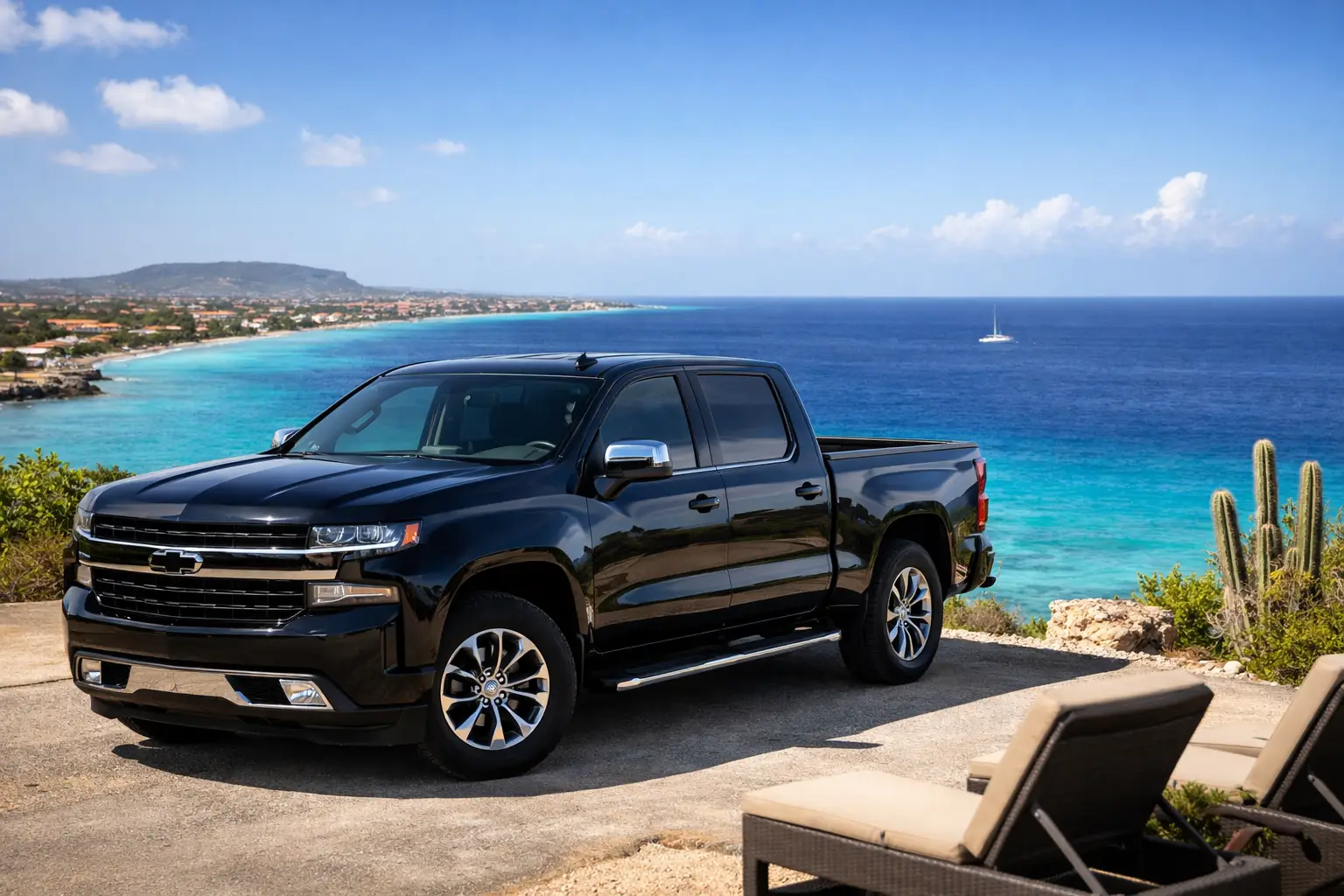
If you have seen the island’s dive culture in photos, you have seen the pickup truck. There is a reason it is a favorite.
A pickup makes tanks and wet gear straightforward. Tanks stay outside the cabin, which keeps dampness, salt, and that “all-day neoprene” smell out of the seats. You can load and unload quickly, and you are not trying to angle a heavy cylinder past door frames.
The trade-off is exposure. Gear in an open bed gets sun, dust, and occasional road spray. Most divers solve this with a simple routine: keep valuables with you, use a bin or crate for small items, and throw a towel or cover over what you can.
For two divers doing a week of shore diving, a standard pickup is often the sweet spot. For three or four divers, it becomes even more valuable because tank logistics scale up fast on Bonaire. When everyone is doing two to three dives a day, you do not want a vehicle that requires careful packing like a game of Tetris.
SUVs: comfortable, enclosed, and easy for mixed plans
An SUV can be a great choice if your trip is not 100% “tanks all day.” Maybe you are combining diving with nicer dinners, family outings, or you simply prefer the feel of an enclosed vehicle with a higher seating position.
SUVs give you better protection from sudden rain and keep gear out of sight when the cargo area has a cover. They are also comfortable on longer loops around the island.
The trade-off is moisture management. If you routinely put wet BCDs and fins inside an enclosed cargo area, the cabin will hold humidity and odor. The fix is simple but takes discipline: keep a plastic tote or waterproof mat in the back, crack windows when safe, and rinse and dry what you can before packing up for the next site.
If you are traveling as a couple and doing a mix of shore dives and boat dives, an SUV can feel like the most balanced option. Just be honest about how much wet gear you will be carrying each day.
Sedans and economy cars: when they work (and when they don’t)
Yes, you can dive Bonaire with a smaller car. Plenty of visitors do, especially those who plan to dive mostly by boat, do fewer shore dives, or are traveling light and want the lowest daily cost.
The limits show up quickly if you are doing classic shore diving with multiple tanks. Two divers, two tanks each, plus weights, plus a cooler, plus cameras, plus dry bags can overwhelm a small trunk. You also end up lifting tanks higher and maneuvering them in tighter spaces, which is not ideal after a long day in the water.
If your budget is tight and your diving plan is relaxed, an economy car can be fine. If you want the freedom to chase conditions and do spontaneous second and third dives without thinking too hard about space, you may be happier upgrading.
4×4 and the National Park question
A common planning point is Washington Slagbaai National Park. It is absolutely worth the visit, and it is also the place where capability matters.
Many park roads are rough and can be challenging depending on recent weather and your comfort level. If the park is a must-do and you want less “white-knuckle driving,” a 4×4 pickup or 4×4 SUV is the safer, more confident choice.
If you are mostly diving the classic west coast shore sites and heading into the park only once, you can weigh the cost difference. Some travelers choose a 4×4 for the whole trip so they do not have to plan around one special day. Others prioritize diving logistics and accept a slower, careful park drive with a suitable vehicle.
This is one of those “it depends” calls. The best answer is the one that matches your itinerary, not the one that sounds toughest.
Jeep-style compact 4x4s: fun, capable, and a little personal
Compact 4x4s can be a great Bonaire match if you want open-air vibes, easy parking, and the confidence of extra capability. They are especially appealing for couples or small groups who do not need a giant cargo area.
The trade-off is cargo shape. Some compact options have less room for long items and big bins. If you are traveling with bulky camera rigs or you like to bring a cooler plus four tanks, you may find yourself wishing for a pickup bed.
If your ideal day includes both shore dives and exploring, and you want a vehicle that feels like part of the vacation, a compact 4×4 can hit that sweet spot.
The practical details that make a dive vehicle feel “right”
Most people choose based on body style, but the small details affect your day more than you think.
Ground clearance is a comfort feature on Bonaire. Many dive site entries are simple, but access roads can have rocks, ruts, and uneven edges. You do not need extreme capability for most sites, but you do want a vehicle that does not feel delicate.
Easy-to-clean surfaces matter more than fancy interiors. Salt crystals happen. Wet suits drip. Sand sneaks in. A vehicle that you can keep tidy without stress will make you a happier diver by day three.
Air conditioning is not optional for most visitors. Even if you love the tropical heat, you will appreciate a cool reset between dives, especially when you are driving with wet hair and a sun-warmed mask on the dashboard.
Tanks, theft risk, and simple habits that protect your trip
Bonaire is friendly, but any dive destination has opportunistic theft. The goal is not to be anxious. It is to be consistent.
The safest pattern is to leave the vehicle empty of valuables. Bring only what you will actually use at the site. Keep phones, wallets, passports, and keys with you or secured appropriately. A cheap, waterproof way to keep a key with you in the water is often better than creating a “hiding spot” on the vehicle.
Pickups help because they encourage a minimalist approach. SUVs help because gear can be covered. Either way, the best protection is routine, not luck.
Choosing based on your group and your diving style
If you are two divers doing shore dives daily, a pickup is hard to beat for pure convenience. If you are two divers splitting time between boat dives, restaurants, and sightseeing, an SUV can feel more comfortable without giving up much.
If you are a family with a mix of divers and non-divers, prioritize passenger comfort and luggage space first, then plan a simple system for wet gear. If you are a group of three or four divers who want to do back-to-back sites, you will appreciate the loading speed and breathing room of a pickup.
If you plan to visit the National Park and you want the drive to feel easy, choose 4×4 rather than hoping the roads will be smooth that day.
What we see visitors happiest with (and why)
The guests who end up most relaxed are the ones who match the vehicle to the rhythm of Bonaire: repetitive loading, wet gear, short drives, and lots of stops.
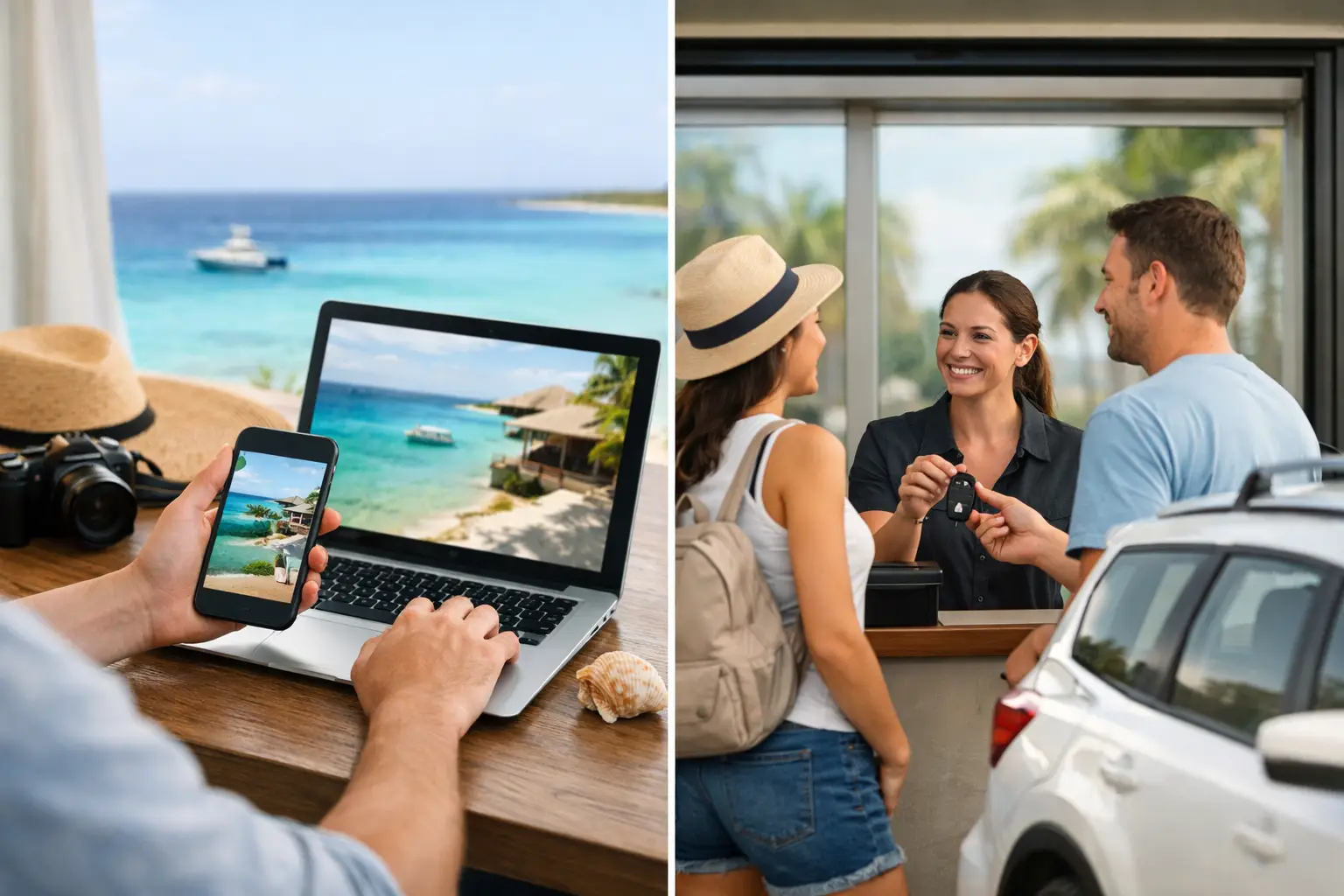
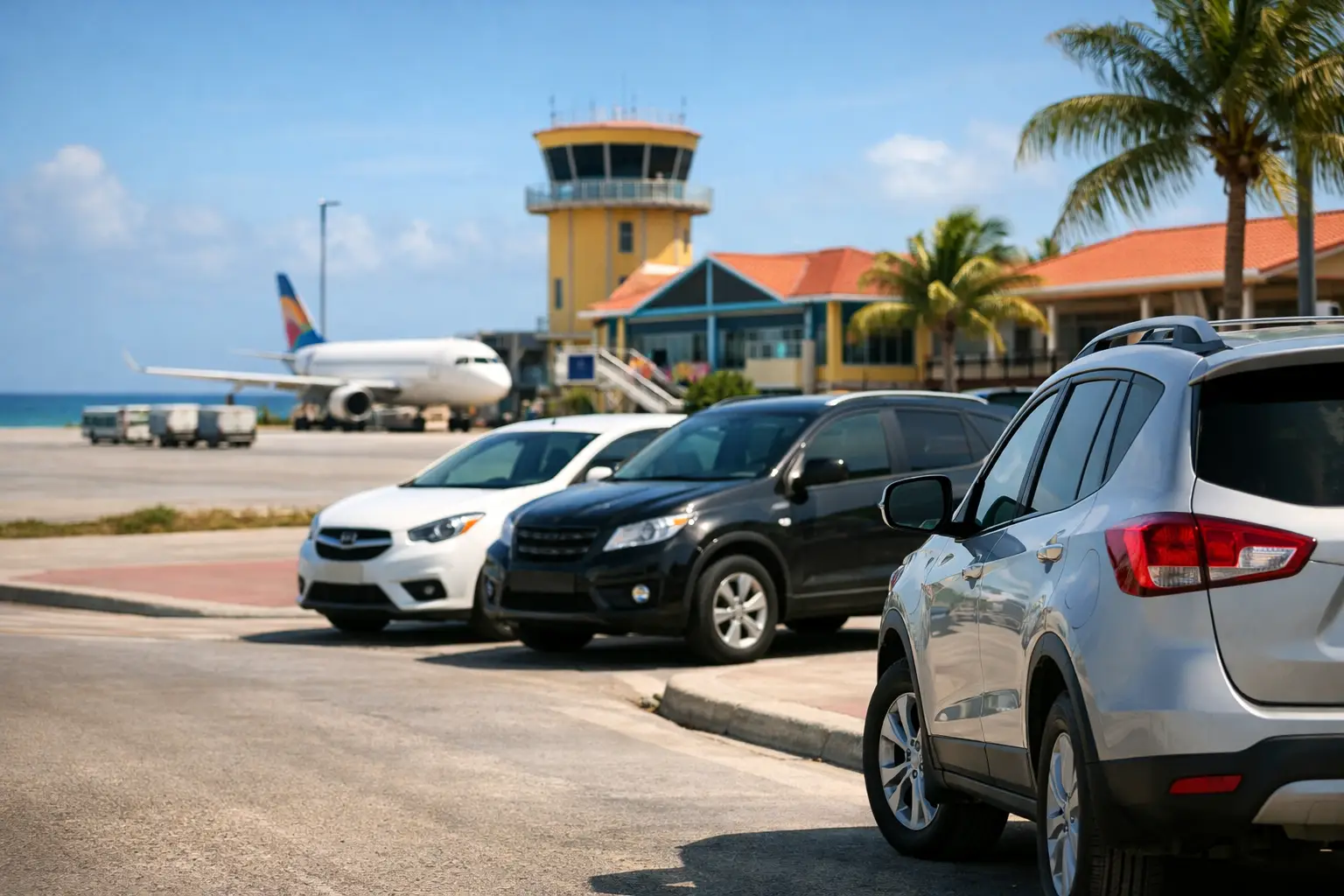
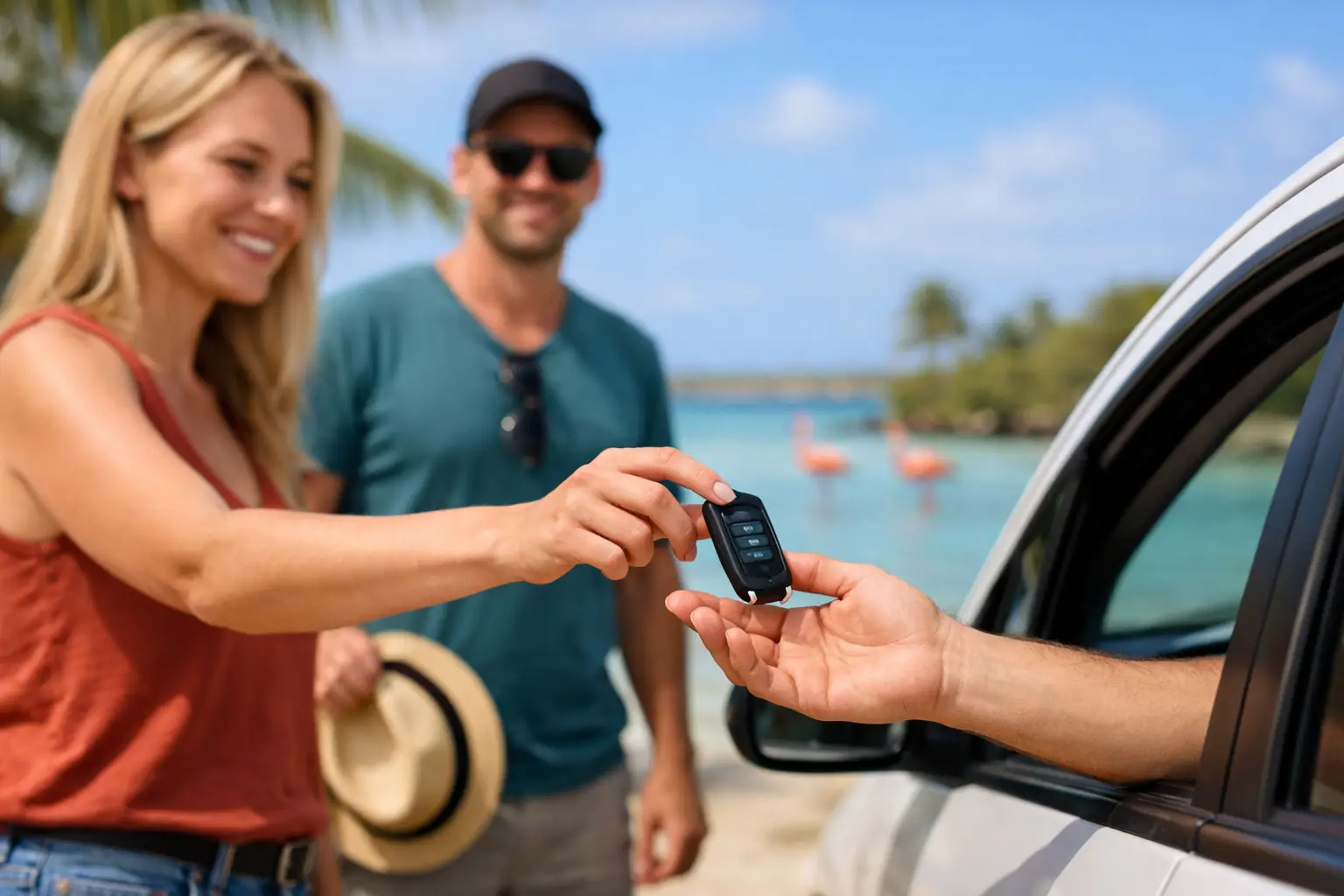
They also choose a rental experience that saves time at arrival. After a travel day, nobody wants to negotiate a complicated process. A straightforward pickup, clear pricing, and a team that can give quick local pointers makes the first morning of diving feel simple.
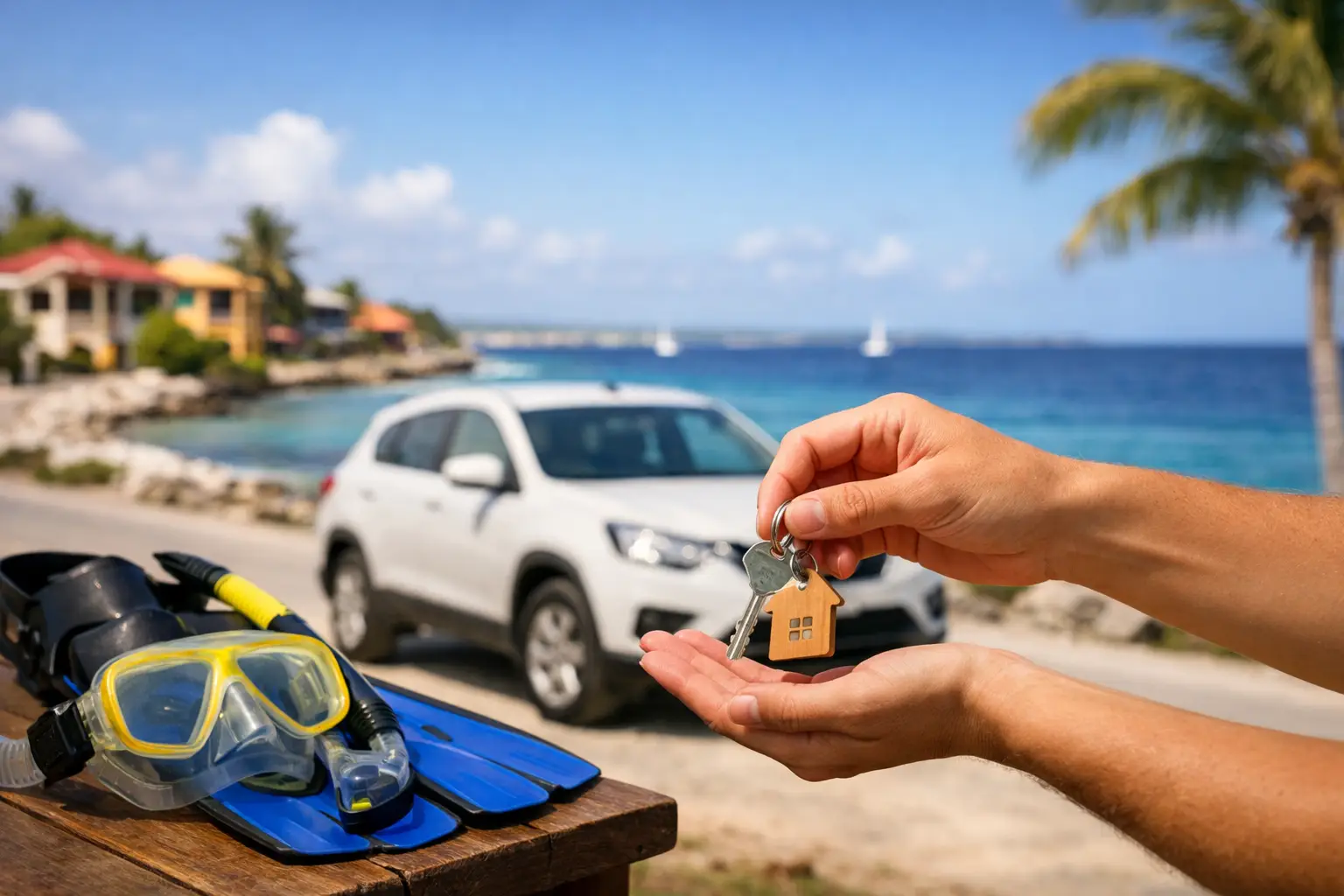
If you want help picking the right category for your itinerary, this is exactly what we do at Caribe Car Rental Bonaire – we match divers and explorers with vehicles that fit how they actually use the island, and we keep the process easy from airport pickup to drop-off.
A quick way to decide before you book
Ask yourself three questions: How many tanks will you carry on a typical day? How often will you put wet gear inside the cabin? And is Washington Slagbaai National Park a must-do or a maybe?
If you want the simplest possible answer, choose the vehicle that makes your most common day effortless, not your rare day impressive. Bonaire rewards flexibility, and the right set of wheels makes it easier to say yes when the water looks perfect and the next yellow rock is calling.
 EN
EN  NL
NL