
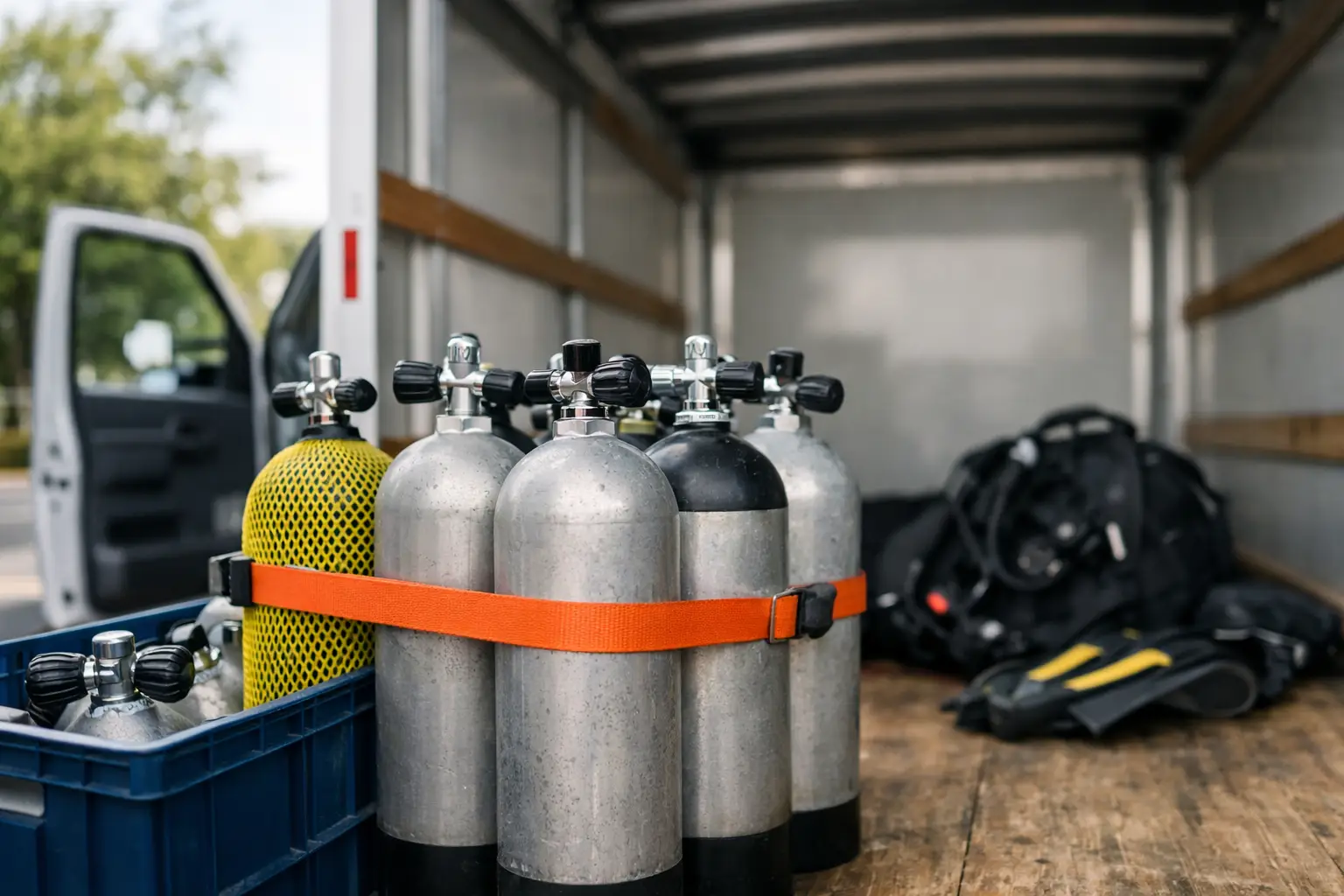

The fastest way to turn a great dive day into a headache is to toss tanks in the back of a truck and hope for the best. If you’re figuring out how to transport dive tanks in a rental truck, the goal is simple: keep the cylinders secure, protect the vehicle, and make loading and unloading easy at every stop.
That matters even more on a dive trip, when you’re moving wet gear, driving unfamiliar roads, and trying to keep your schedule relaxed. A little planning saves your back, protects your rental, and helps you avoid tanks rolling into each other every time you brake.
How to transport dive tanks in a rental truck without trouble
Dive tanks are heavy, hard, and built to handle pressure, but they should never be treated like loose cargo. In a rental truck, they need to be restrained so they cannot roll, tip, or slam into the bed walls. That is the real issue – not whether the truck can carry them, but whether you are carrying them responsibly.
A pickup truck is often the most practical option because it gives you room for tanks, BCDs, fins, coolers, and rinse bins without cramming everything into a small trunk. It also keeps sandy and wet gear out of the cabin. But the open bed is not a free-for-all. Tanks still need padding and tie-down points, especially if you’re carrying several at once.
If you’re only moving one or two tanks for a short drive, you may be able to lay them flat and secure them firmly against the front of the truck bed. If you’re carrying more than that, organization starts to matter quickly. The more cylinders you load, the more important it becomes to keep them from shifting into a pile.
Start with the right truck for your dive day
Not every rental vehicle works equally well for dive logistics. A compact car might handle a couple of people and light gear, but once tanks enter the picture, space disappears fast. A truck gives you easier loading height, more room for heavy equipment, and less chance of wet gear damaging the interior.
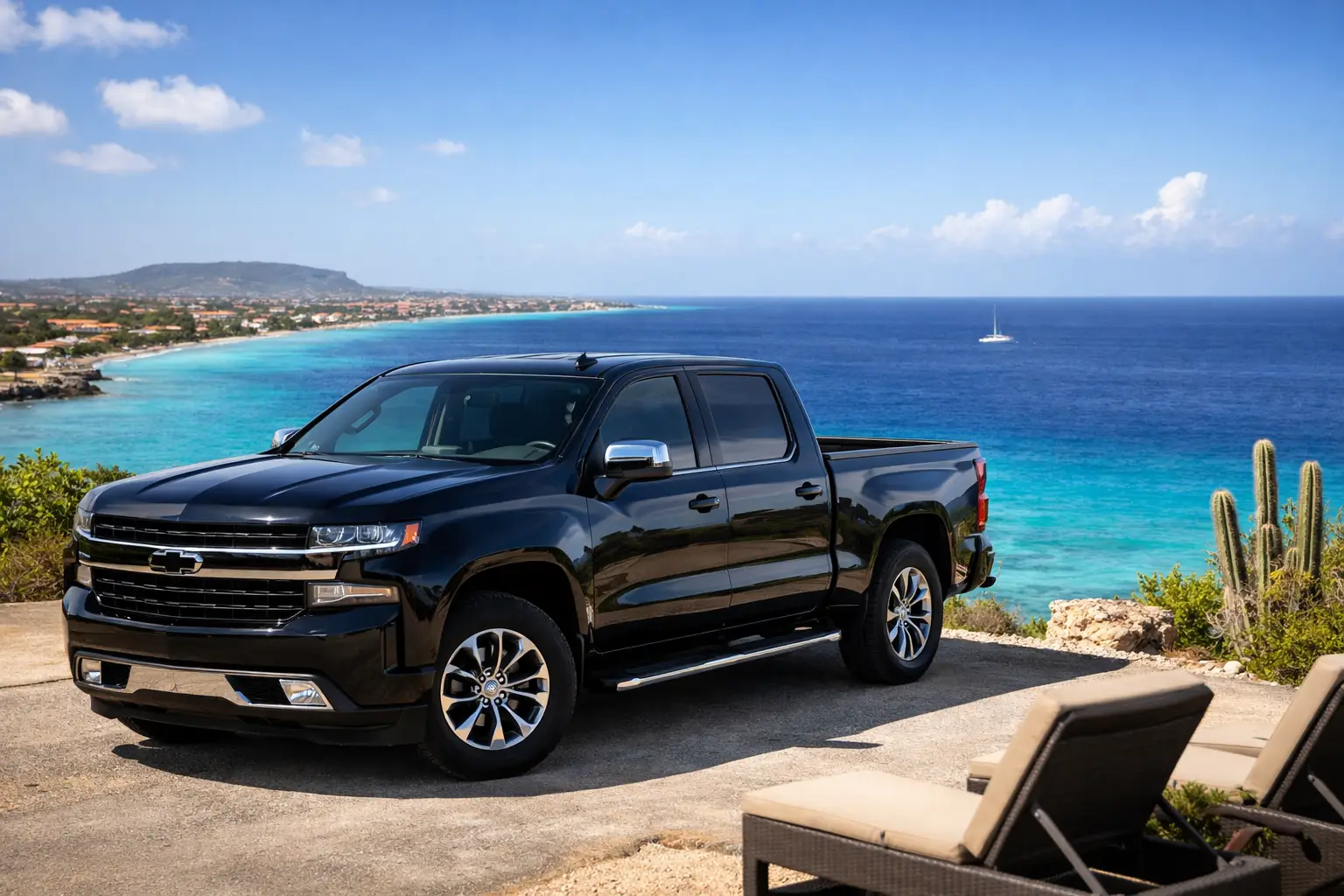
That said, bigger is not always better. If you’re traveling as a couple with two tanks and standard gear, a midsize pickup may be plenty. If you’re diving with friends or carrying multiple sets of equipment, extra bed space makes the day much smoother. This is where choosing a fit-for-purpose vehicle pays off. On Bonaire, many divers prefer trucks for exactly this reason.
Before loading anything, inspect the truck bed. Look for tie-down hooks, a bed liner, and any spots where tanks might slide more easily. A lined bed protects the vehicle, but some liners can be slick, so do not assume the cylinders will stay put on their own.
The safest way to position dive tanks
The best general rule is to transport tanks horizontally in the truck bed and secure them so they cannot roll. Standing them upright can work in some commercial setups with dedicated racks, but in a standard rental truck bed, upright tanks are usually less stable unless you have a proper cylinder rack or crate.
Lay tanks side by side, ideally with their valves alternating direction to save space and reduce contact points. Place them against a stable surface, usually the front wall of the bed, rather than near the tailgate where they can shift more during braking or when the tailgate opens.
Padding helps. A towel, gear mat, or soft bag between cylinders reduces metal-on-metal contact and keeps the truck bed from getting banged up. You do not need a complicated system, but you do need something that stops repeated movement.
Once the tanks are placed, use straps to secure them tightly. Ratchet straps or sturdy cargo straps work better than loose rope because they limit rolling and keep the load consistent over bumps. The strap should hold the tanks down and in place, not just loosely surround them.
What not to do
Do not leave tanks loose in the bed, even for a short drive. Do not stack them in a way that lets the top tank shift off the lower one. And do not rely on other gear bags to wedge them in place. Soft gear moves, compresses, and gets soaked. It is not a restraint system.
Also avoid putting tanks where they can strike regulators, cameras, lights, or fins. Expensive dive gear loses that battle every time.
Protect the truck and your gear at the same time
Rental trucks are built for utility, but that does not mean damage is expected. A steel cylinder sliding across the bed can scratch liners, dent side panels, and chip painted surfaces around the tailgate. A little protection goes a long way.
Use a barrier between tanks and the truck bed when possible. Old towels, rubber mats, and even thick gear bags can help, as long as they do not replace proper tie-downs. If your fins or wetsuits are already wet, keep them separate from anything you want to stay dry, but do not use them as the main cushion for tank transport.
Think about unloading, too. Most dents happen at the start or end of the trip, when someone lifts a tank awkwardly and lets it bang into the truck. Two hands, controlled movement, and a clear place to set the cylinder down makes a big difference.
Weight, heat, and road conditions all matter
One or two aluminum tanks are manageable. Several tanks, plus people and gear, add up quickly. You do not need to obsess over exact numbers for a normal dive outing, but you should respect the weight. Heavy cargo changes braking distance and makes sudden turns feel different, especially if the load is not balanced.
Spread weight evenly across the bed rather than loading everything on one side. If you are carrying multiple tanks, keep the load low and centered. That improves stability and makes the truck easier to handle.
Heat is another factor. Dive tanks are commonly transported in warm climates, and normal outdoor temperatures are not automatically a problem, but leaving cylinders baking for long periods is not ideal. More to the point, a hot truck bed plus direct sun is hard on your other gear, especially masks, computers, and camera housings. If you’re making stops, cover gear when you can and avoid letting the truck sit loaded longer than necessary.
Road conditions should shape how carefully you secure everything. Smooth paved roads are one thing. Rough access roads, potholes, and washboard surfaces are another. If your route includes remote shoreline entries or park roads, check the load again after a few minutes of driving. Straps can loosen slightly once the truck starts moving.
A simple loading routine that works
The easiest system is to load the tanks first, secure them first, and then build the rest of the gear around that plan. Once the cylinders are locked in place, lighter gear can go in bins, mesh bags, or soft cases around them.
Keep regulators, computers, and cameras in the cab if possible, especially if they are delicate or you want extra security. Heavier wet items like boots and BCDs can go in the bed, but they should not be packed where they interfere with the tank straps.
If you’re doing multiple dives in one day, leave enough room to access what you need without unloading the entire truck each time. That sounds obvious until the first site change, when everyone realizes the save-a-dive kit is trapped under three tanks and a cooler.
If you are carrying full and empty tanks
Treat both the same when it comes to securing them. Empty does not mean harmless, and both can roll with plenty of force. If you want to stay organized, separate full and empty cylinders by side or by strap grouping so you can keep track of your dive plan without confusion.
Rental truck etiquette for divers
A good rental experience is simple: use the truck for what it is meant to do, and return it in respectable condition. Shake out sand, remove trash, and rinse or wipe down surfaces if they got especially salty or muddy. If something spilled or a tank left a mark, deal with it before return instead of hoping no one notices.
It also helps to ask the rental team what vehicle they recommend for your plans. A local company that regularly helps divers will know which truck sizes work best for shore diving, tank transport, and rougher roads. That kind of guidance saves guesswork, especially if it’s your first trip to Bonaire.
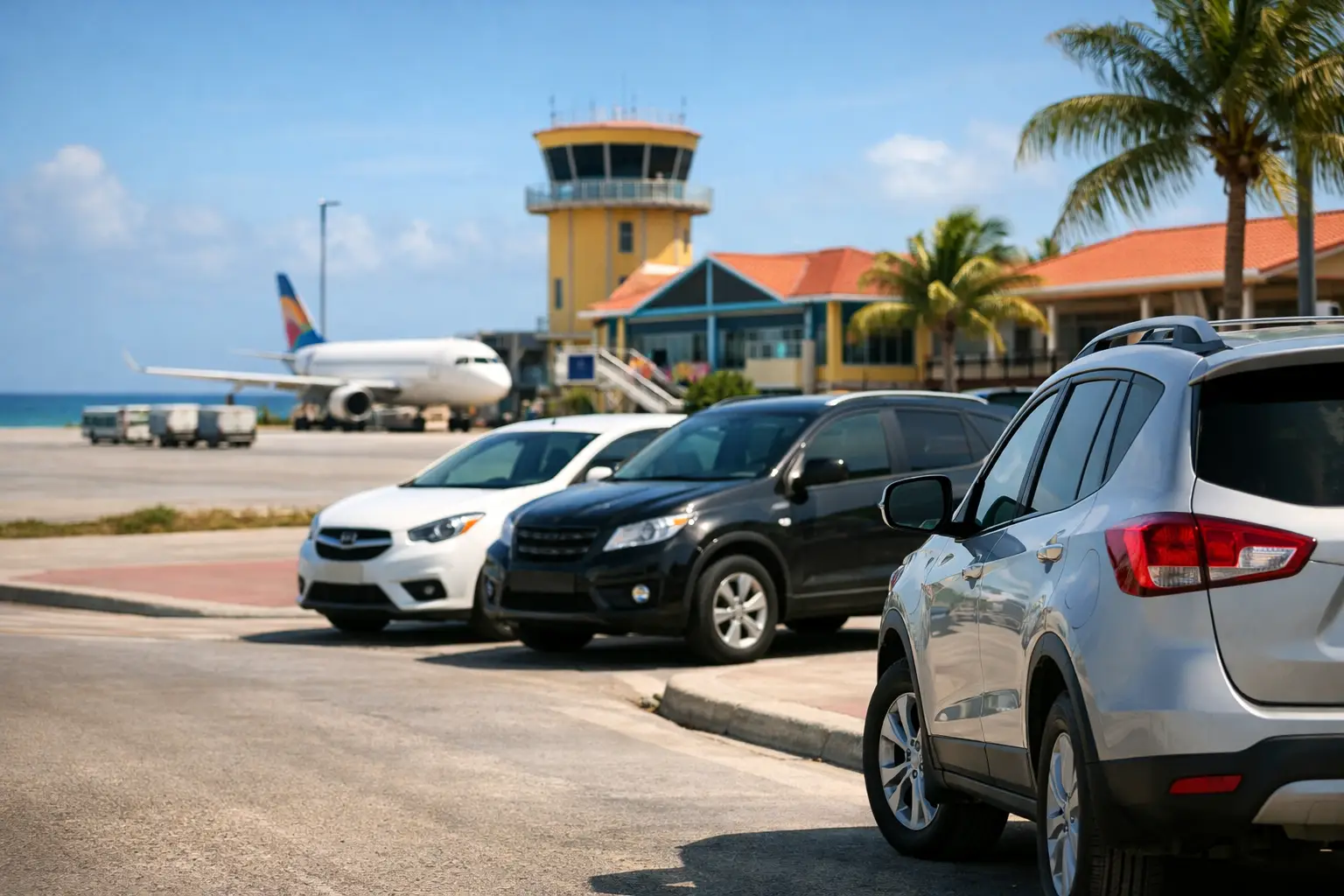
Caribe Car Rental Bonaire works with plenty of travelers who need exactly that kind of practical setup – enough room for tanks and gear, easy airport pickup, and a truck that fits the day without overcomplicating it.
The best approach is not complicated. Secure the tanks, protect the truck, keep delicate gear separate, and give yourself enough room to enjoy the dive day instead of wrestling cargo at every stop.



 EN
EN  EN_CA
EN_CA  NL
NL