
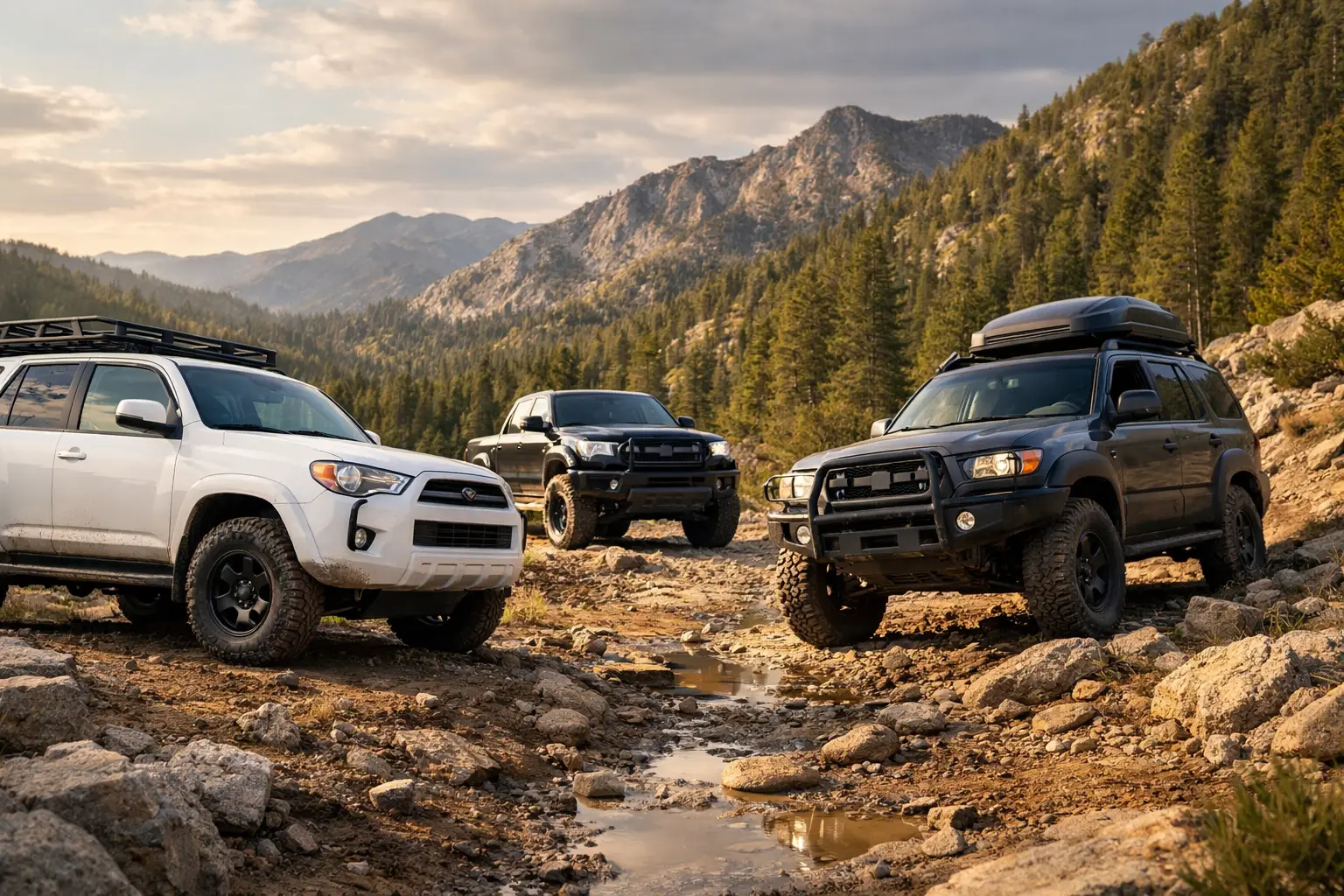

The road to a hidden beach or a national park lookout can look easy on a map and feel very different once the pavement ends. That is exactly why choosing the best rental vehicles for rough roads matters. The right vehicle makes the trip easier, safer, and far less stressful, especially when you are carrying dive gear, traveling with family, or heading toward areas where washboards, loose gravel, and rocky patches are part of the drive.
A lot of travelers make the same mistake. They book the lowest-priced car, assume all roads will be fine, and only start thinking about clearance, traction, and cargo space when they are already on the island. By then, every bump feels bigger, every tight turn feels riskier, and the day starts revolving around what the car cannot do. A better approach is simple: match the vehicle to the roads you actually plan to drive.
What makes a vehicle good on rough roads
When people search for the best rental vehicles for rough roads, they usually think first about four-wheel drive. That can matter, but it is not the only thing that matters. Ground clearance is often just as important. A vehicle that sits higher can handle ruts, uneven surfaces, and rocky sections with less chance of scraping underneath.
Tire size and suspension also play a big role. A low car with stiff suspension may feel fine in town but uncomfortable and vulnerable on rough terrain. A sturdier vehicle absorbs bumps better and gives you more confidence when the road gets unpredictable. Visibility matters too. Sitting higher helps you spot dips, stones, and potholes earlier so you can drive more smoothly.
Then there is cargo. If you are hauling scuba tanks, coolers, beach gear, camera bags, or hiking supplies, space changes the equation. A compact car may technically get you there on mild dirt roads, but it can turn packing into a daily puzzle. That is where SUVs and pickups start earning their value.
The best rental vehicles for rough roads by trip type
Not every rough-road trip requires the same kind of vehicle. The best choice depends on where you are going, who is coming with you, and how much gear you are bringing.
4×4 pickups for the toughest routes
If your plans include truly rugged terrain, a 4×4 pickup is usually the strongest option. It gives you extra traction, more ground clearance, and the kind of utility that makes rougher routes feel manageable rather than tiring. For travelers planning to reach remote outdoor areas or access places where the road conditions can change quickly, this is often the smartest fit.
The other big advantage is cargo separation. Muddy gear, wet bags, tanks, and outdoor equipment can ride in the bed instead of crowding the cabin. That keeps the interior cleaner and makes loading easier. The trade-off is size. Pickups can feel bigger to park and may use more fuel than a smaller vehicle. But if the road quality is a major part of your trip, capability usually matters more than compactness.
Compact 4x4s for couples and light packers
A compact 4×4, such as a small Jeep-style vehicle, hits a useful middle ground. It is often easier to maneuver than a full-size pickup while still giving you the traction and clearance needed for rougher roads. For couples or two friends traveling light, this can be the sweet spot.
These vehicles are especially appealing when you want flexibility. They feel more relaxed around town than a larger truck but still have the confidence for rough access roads and outdoor adventures. The main limit is interior and cargo space. If you have a lot of dive gear or more than two or three people, a compact 4×4 can start to feel tight.
SUVs for comfort on mixed roads
An SUV makes sense when your trip includes a mix of paved driving and occasional rough stretches. If comfort matters, and you are not planning the harshest routes, an SUV often gives you the easiest all-around experience. You get higher seating, better ride quality than many smaller cars, and enough room for luggage and day gear.
This is a strong option for families and small groups who want a vehicle that feels stable and practical without going full truck. The key point is that not every SUV is built the same way. Some are more road-focused than trail-focused, so they are best for uneven roads rather than demanding off-road sections.
Standard pickups for gear-heavy travelers
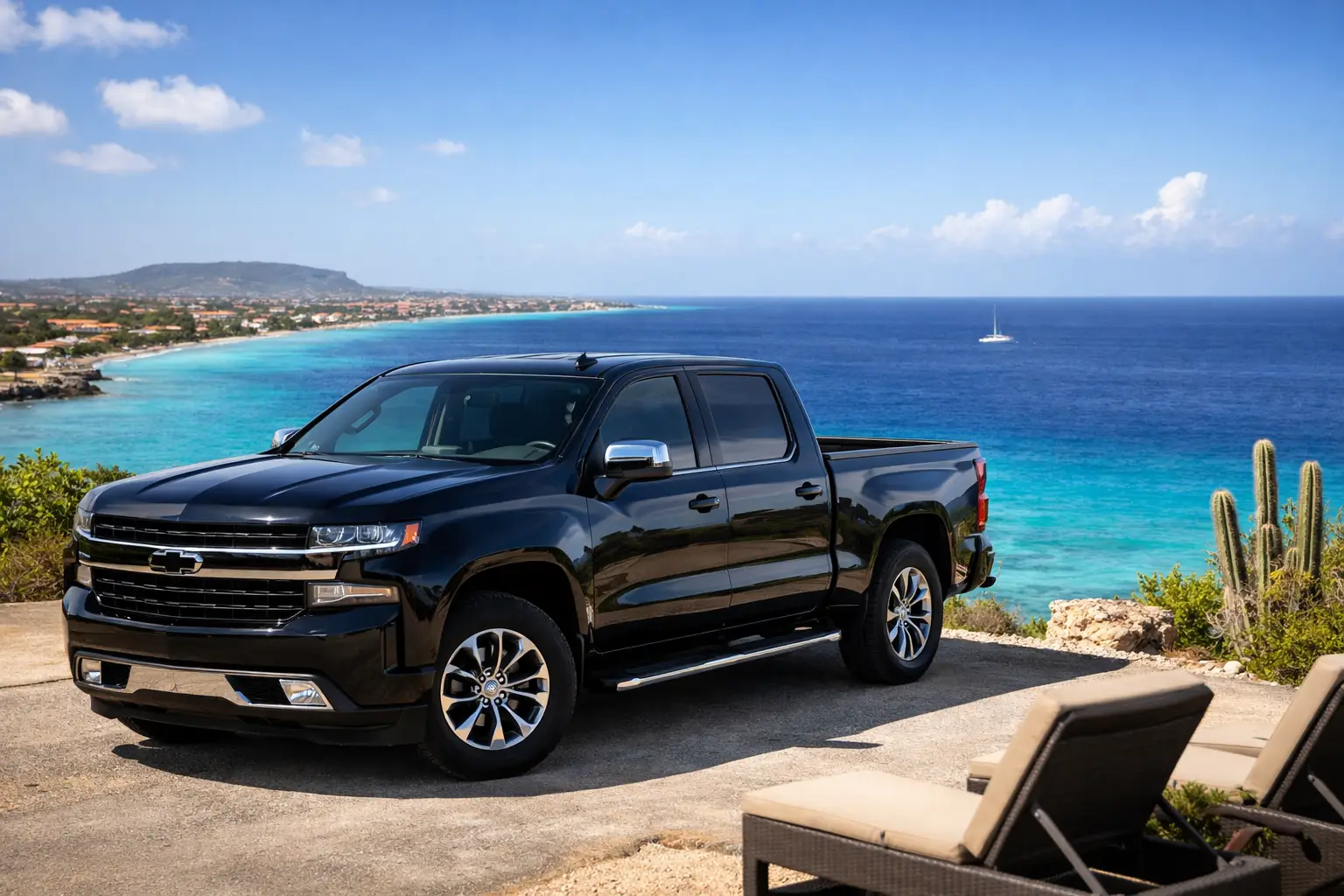
A standard pickup can be a smart choice even when four-wheel drive is not essential. If you are carrying equipment, coolers, tanks, or sports gear, the open cargo space makes the whole trip simpler. For dive travelers in particular, function matters. You want room to load and unload without turning the back seat into a storage bin.
This type of vehicle is also practical for travelers who value durability and do not need a luxury feel. The ride may be firmer than an SUV, but the utility is hard to beat when your vacation is built around outdoor activity.
When a small economy car is enough
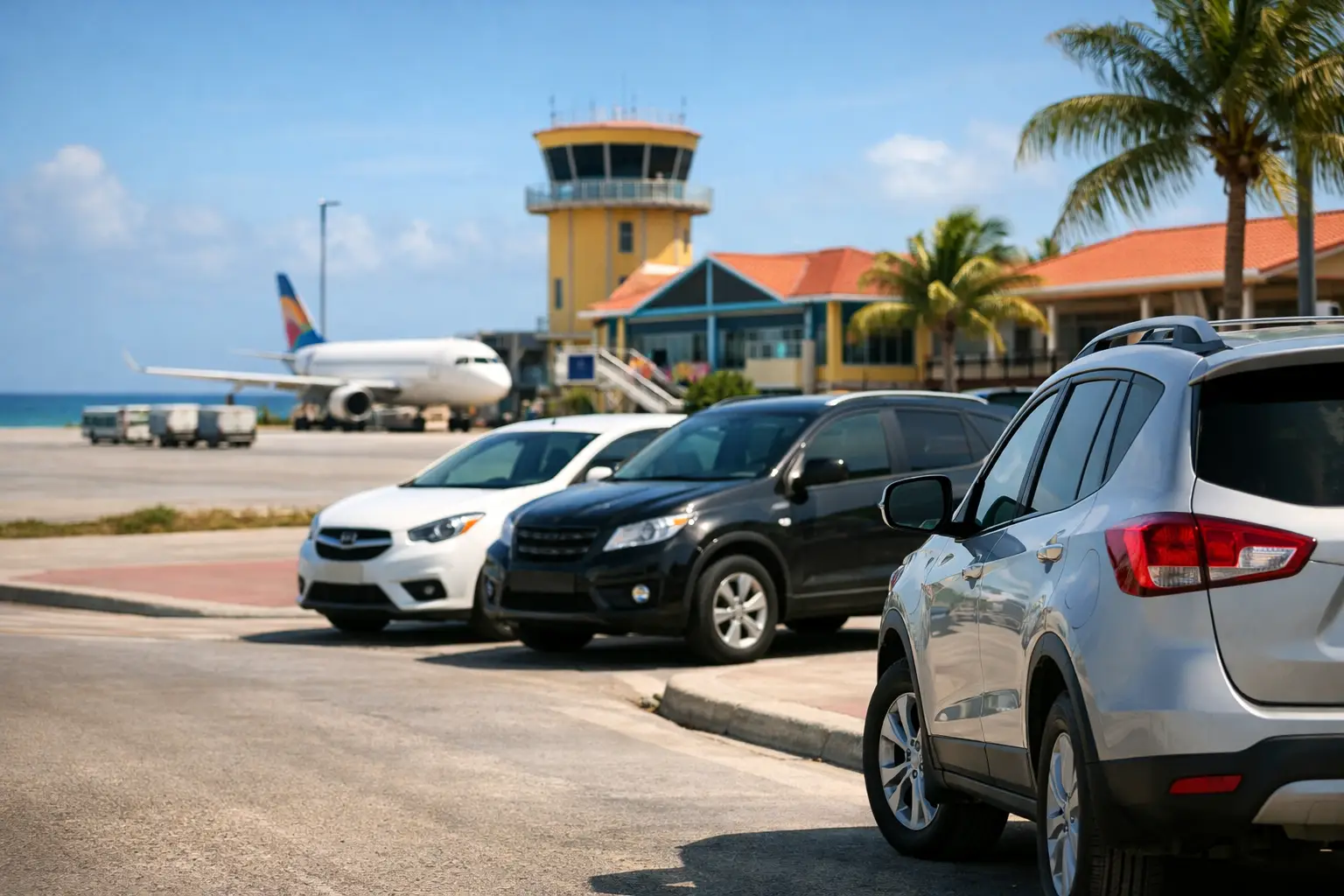
Not every rough-looking road requires a rugged vehicle, and not every traveler needs to pay for one. If most of your driving will be on paved roads, around town, and to easy-access beaches or restaurants, a smaller car may be perfectly fine. It can save money, use less fuel, and be easier to park.
The question is whether rough roads are central to your plans or just an occasional possibility. If they are central, choosing a bargain car can become a false economy. If they are occasional and mild, a simple vehicle may still meet your needs. It depends on your route, your gear, and your comfort level as a driver.
How to choose without overbooking or underbooking
The safest rental choice is not automatically the biggest or most expensive one. It is the one that fits your real itinerary.
Start with where you want to go. If your trip includes national park access, remote coastal areas, or roads known for washboarding and rocks, move up to a vehicle with more clearance and stronger capability. If your schedule is mostly dining, beaches with straightforward access, and town driving, you may not need that upgrade.
Next, think about what is coming with you. Two people with backpacks need something very different from four adults with luggage and dive gear. Cargo space gets overlooked until the first morning when everyone is trying to fit wet towels, tanks, fins, and snacks into a vehicle that looked bigger online.
Finally, be honest about how you like to travel. Some people do not mind a basic ride if it gets them where they want to go. Others want more comfort, easier entry and exit, and less strain on longer days. The best rental vehicle is partly about road conditions and partly about how relaxed you want to feel while covering them.
A few rough-road mistakes to avoid
One common mistake is assuming all higher vehicles are equal. Height helps, but a vehicle designed for rougher conditions will still outperform one that simply sits a little taller. Another mistake is focusing only on daily price. A cheaper rental can cost you in comfort, time, and access if it limits your plans.
Drivers also underestimate how tiring rough roads can be in the wrong vehicle. What looks like a short outing can feel much longer when every section requires extreme caution. Choosing the right rental gives you more freedom to enjoy the day instead of managing around the car.
And of course, capability never replaces common sense. Even the best-equipped rental should be driven carefully, especially on unfamiliar roads. Slow speeds, extra distance, and attention to changing surface conditions always matter.
The best fit is the one that supports your trip
There is no single answer to the best rental vehicles for rough roads because rough roads are not all the same. Some are simply uneven. Others demand clearance, traction, and real utility. For tougher routes, a 4×4 pickup is often the strongest choice. For lighter adventures, a compact 4×4 can be ideal. For mixed use, an SUV may be the most comfortable balance. And for gear-heavy days, a pickup keeps things practical.
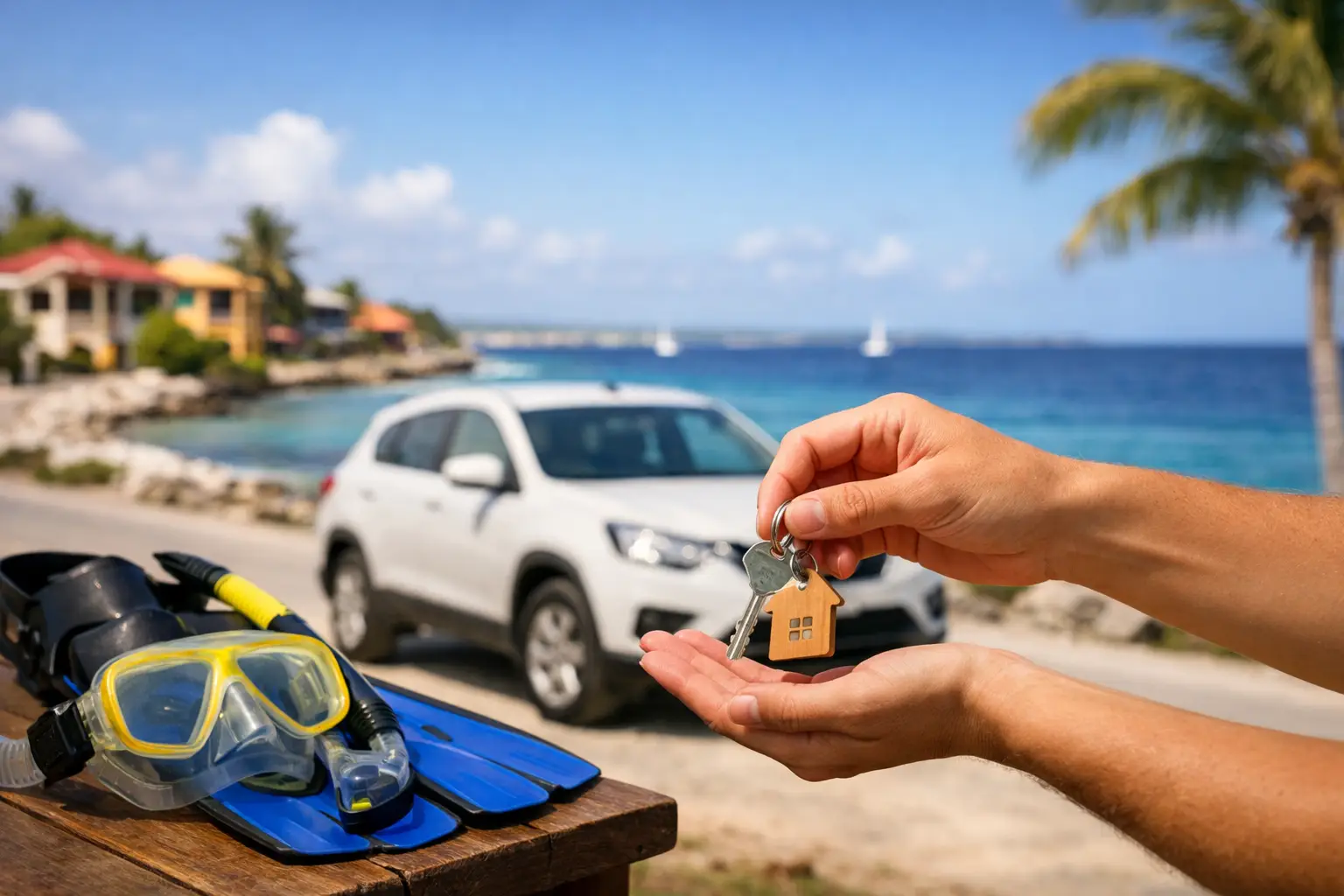
At Caribe Car Rental Bonaire, that is exactly why a well-matched fleet matters. Travelers should be able to choose a vehicle that fits the road, the gear, and the kind of day they want to have without overcomplicating the process.
The easiest trips usually start the same way: with a vehicle that feels like it was chosen on purpose. Pick for the roads you plan to drive, not the price tag alone, and the rough parts of the journey often become the best parts.


 EN
EN  EN_CA
EN_CA  NL
NL