

You land in Bonaire, grab your bags, and the first real question hits: do you want to be waiting on taxis, or do you want your own set of keys and the freedom to chase sunset, dive sites, and dinner reservations without checking your phone every time?
Renting a car here is straightforward, but Bonaire has a few local realities that can make the difference between “easy trip” and “why didn’t we think of that earlier?” This guide walks you through how to rent a car in Bonaire with the least friction, the right vehicle for your plans, and a clear idea of what to expect when you arrive.
How to rent a car in Bonaire without surprises
Bonaire is small, but it is spread out in the way that matters to travelers. Dive sites are strung along the coast, popular beaches sit outside town, and Washington Slagbaai National Park is a day trip that feels like a true outing. A rental car is less about distance and more about flexibility – especially if you are traveling with gear, kids, or a group.
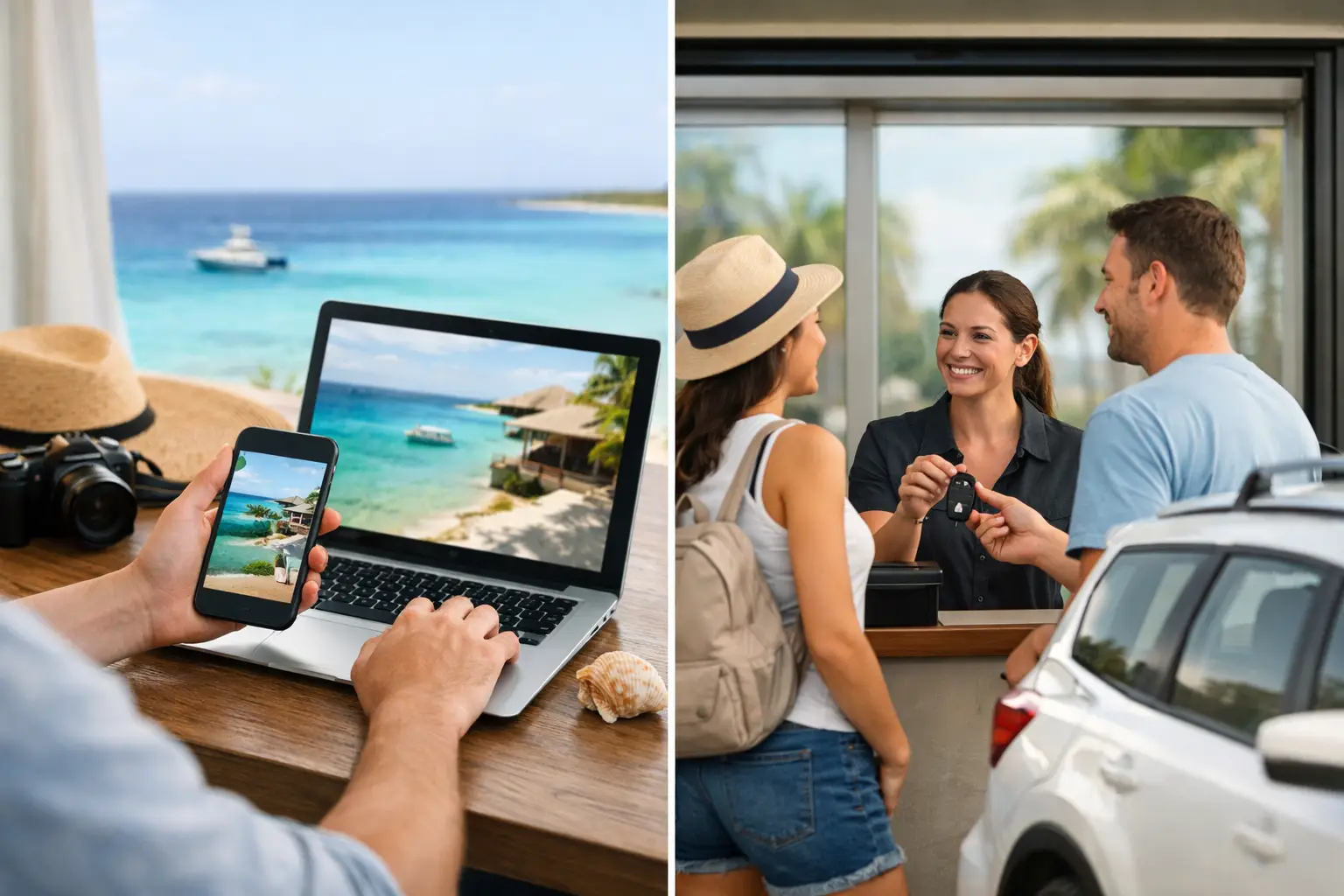
The “no surprises” approach is simple: book early, pick a vehicle that matches your actual itinerary (not your optimism), confirm what is included (especially insurance and taxes), and choose a company that makes arrival easy – ideally with airport pickup so you are not solving logistics while jet-lagged.
Step 1: Choose the right vehicle for your itinerary
This is where most first-time visitors misjudge Bonaire. The island is not hard to drive, but the road conditions vary, and your activities should drive your choice.
If your plans are mostly Kralendijk, dinners, grocery runs, and a few shore dives on paved access points, an economy car or small sedan can be perfect. You will appreciate easy parking and simple fuel costs.
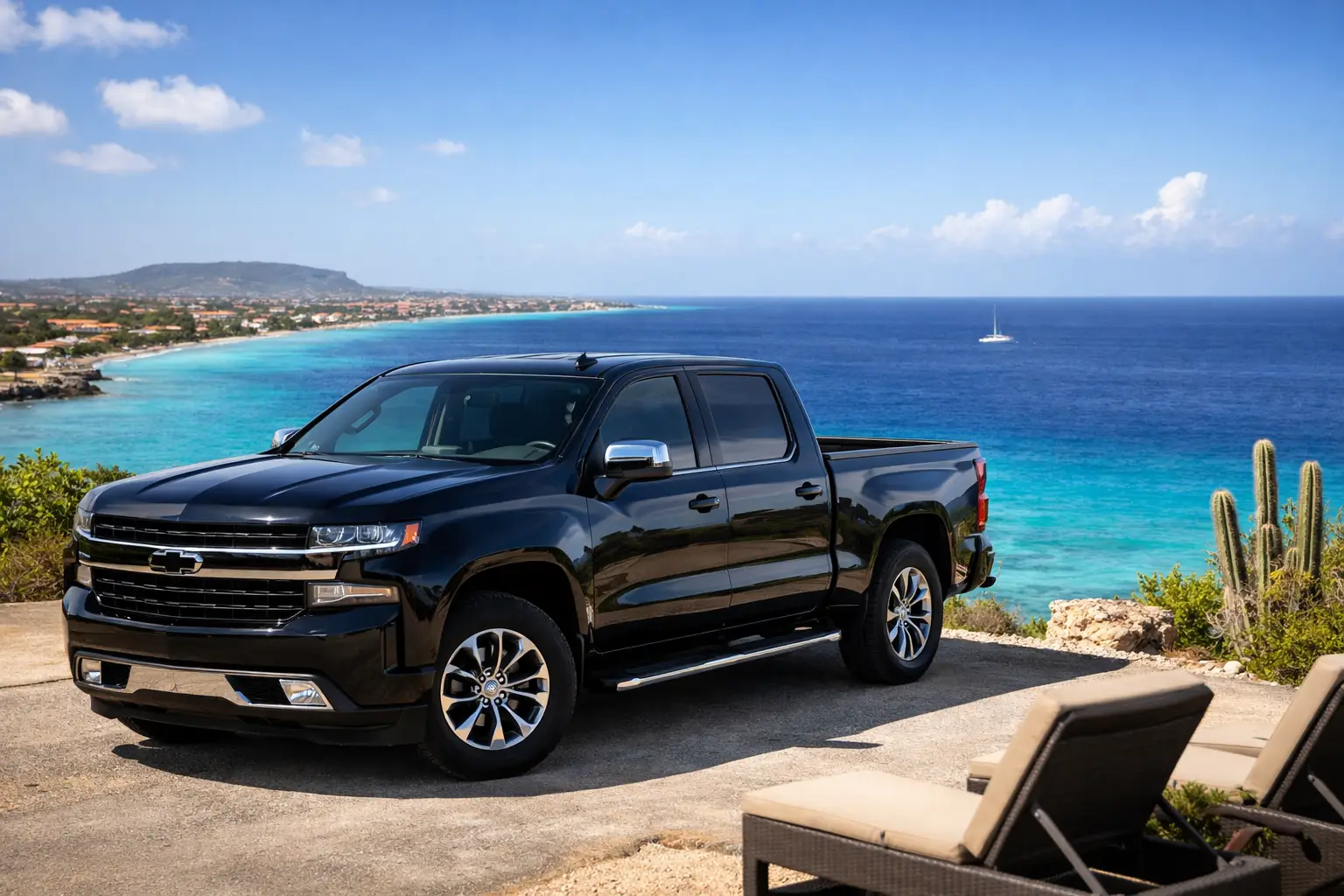
If you are a dive group hauling tanks and wet gear all week, a pickup truck often feels like the “right tool” from day one. You get space, easier loading, and less stress about dripping gear in the cabin. The trade-off is that pickups are bigger to park and can cost more per day, especially in peak season.
If Washington Slagbaai National Park is on your list, plan around it. Many visitors prefer a higher-clearance vehicle, and in practice, a pickup or 4×4 option is commonly chosen for comfort and confidence on rougher stretches. It depends on the current road conditions and your driving comfort, but if the park is a must-do, building your rental around that day avoids last-minute scrambling.
If you want open-air fun but still compact, a small 4×4-style vehicle like a Suzuki Jimny can be a great middle ground. It is easy to maneuver, sits higher than a typical economy car, and feels “vacation-ready.” The trade-off is less cargo room than a pickup, especially with multiple passengers.
If your trip includes a special event – a proposal, wedding, or anniversary photo moment – Bonaire is the kind of place where a single memorable detail can set the tone. Specialty vehicles exist, but they book quickly and usually require more coordination than a standard rental.
Step 2: Book earlier than you think (especially in high season)
Bonaire has busy periods where demand jumps: winter travel months, holiday weeks, and major dive travel windows. Fleet inventory is not unlimited, and the most popular categories (like pickups and 4x4s) can go first.
If you know your dates, booking ahead is less about chasing a discount and more about getting the vehicle you actually want. Waiting can leave you choosing between “whatever is left,” which may not match your plans. For example, if you need a truck for dive gear but only compact cars remain, you can still make it work, but you will feel it every day.
Also, pay attention to arrival times. If your flight lands late, confirm that pickup arrangements work with your schedule. The easiest arrivals are the ones where your rental plan is already set and confirmed.
Step 3: Know what you need to rent (license, age, card)
For most US travelers, renting in Bonaire is simple. You will typically need a valid driver’s license and a credit card. Some renters assume a passport is required at the counter, and while it can be helpful as an extra ID, requirements can vary by provider.
Age policies also vary. If you are traveling with adult kids who want to drive, confirm whether additional drivers are allowed and whether there is a fee. If multiple people will drive, it is worth arranging up front. It avoids awkward changes later and keeps coverage clear.
Step 4: Understand insurance and deposits in plain English
Insurance is where car rentals everywhere get confusing, and Bonaire is no exception. The goal is not to buy “everything,” it is to avoid being exposed to a big surprise if something happens.
Before you confirm a booking, look for clear answers to these questions: What is included in the rate? What is the deductible? What does the deposit look like? Are tires, windshield, and undercarriage covered or excluded? And if you are using a credit card benefit from home, will the rental provider accept that as your primary coverage or will you still need local coverage?
There is no single right answer because it depends on your risk tolerance and what your current auto or credit card coverage actually includes outside the US. If you are unsure, choose clarity over assumptions. A slightly higher daily rate that is transparent can be cheaper than a low rate that leaves you exposed.
Step 5: Decide where and how you want to pick up the car
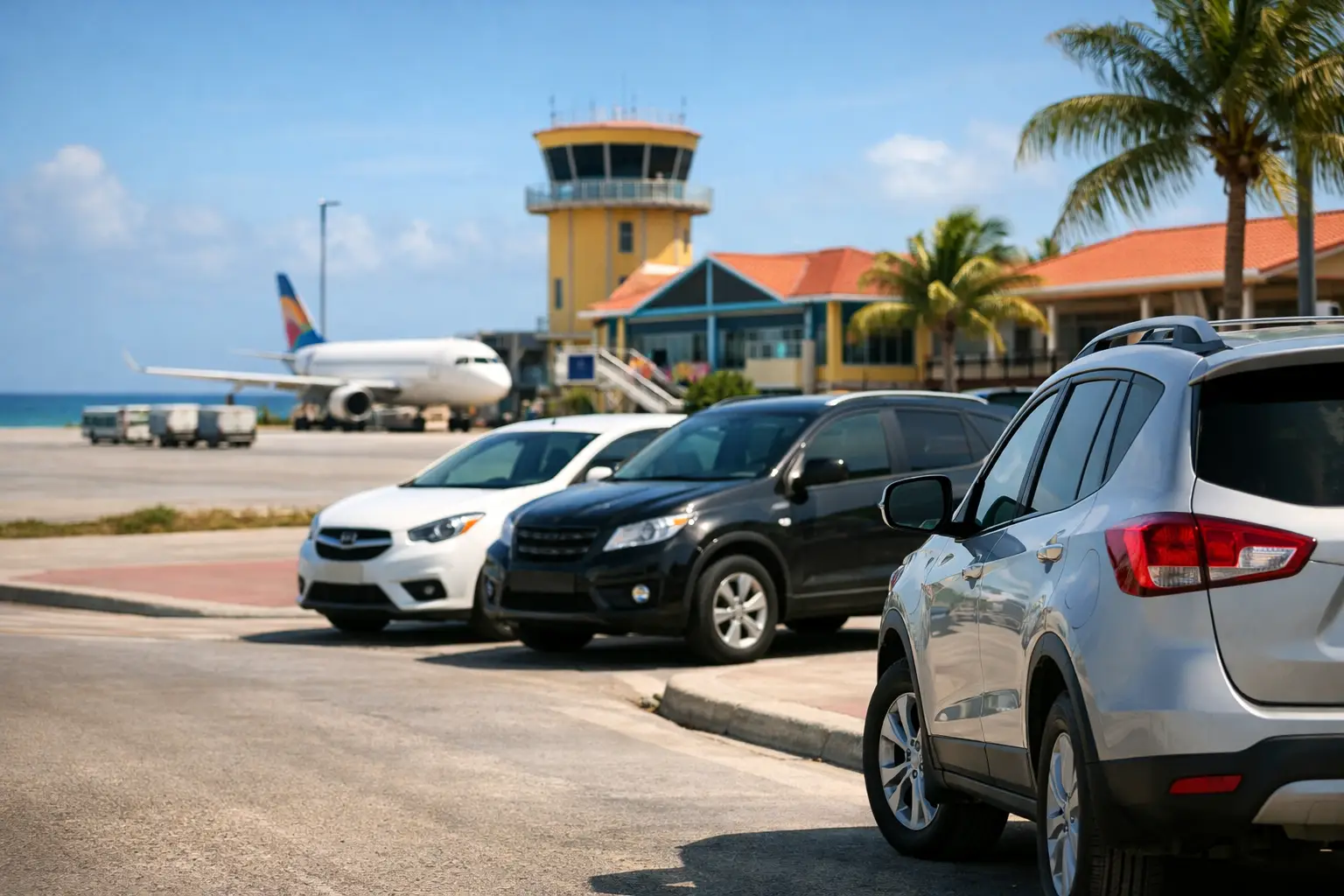
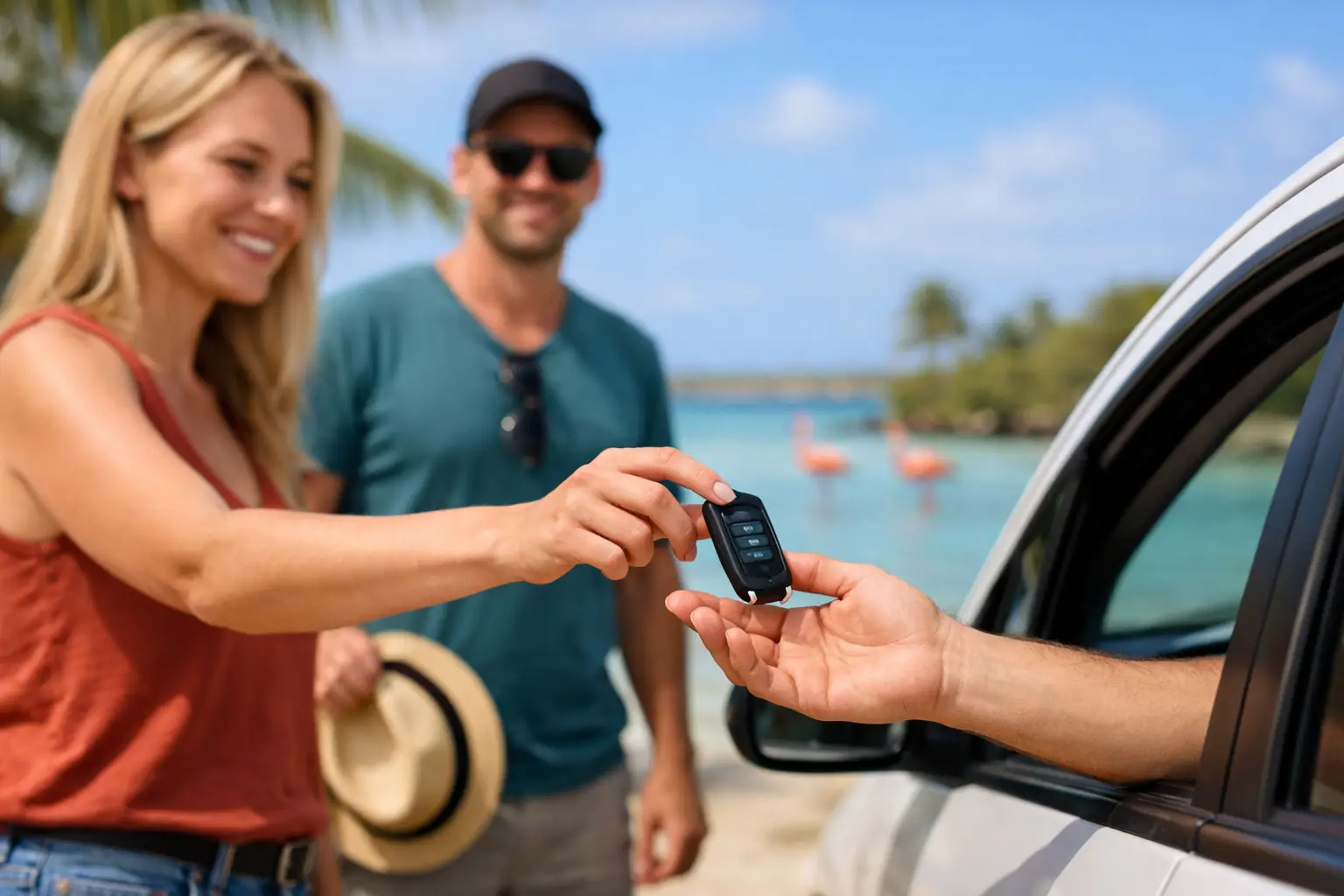
Bonaire’s airport is close to town, so distances are not the issue – stress is. The smoothest start usually comes from a rental company that coordinates pickup, has your reservation ready, and gets you on the road quickly.
Airport transfers can be a big deal if you are arriving with a group, kids, or dive bags. It is also helpful if you do not want to navigate anything on foot in the heat right after landing. If pickup is off-airport, confirm exactly where you are meeting and what the process looks like.
Step 6: Inspect the vehicle like a traveler who wants an easy week
A quick inspection protects you and sets expectations. Take two minutes before you drive away.
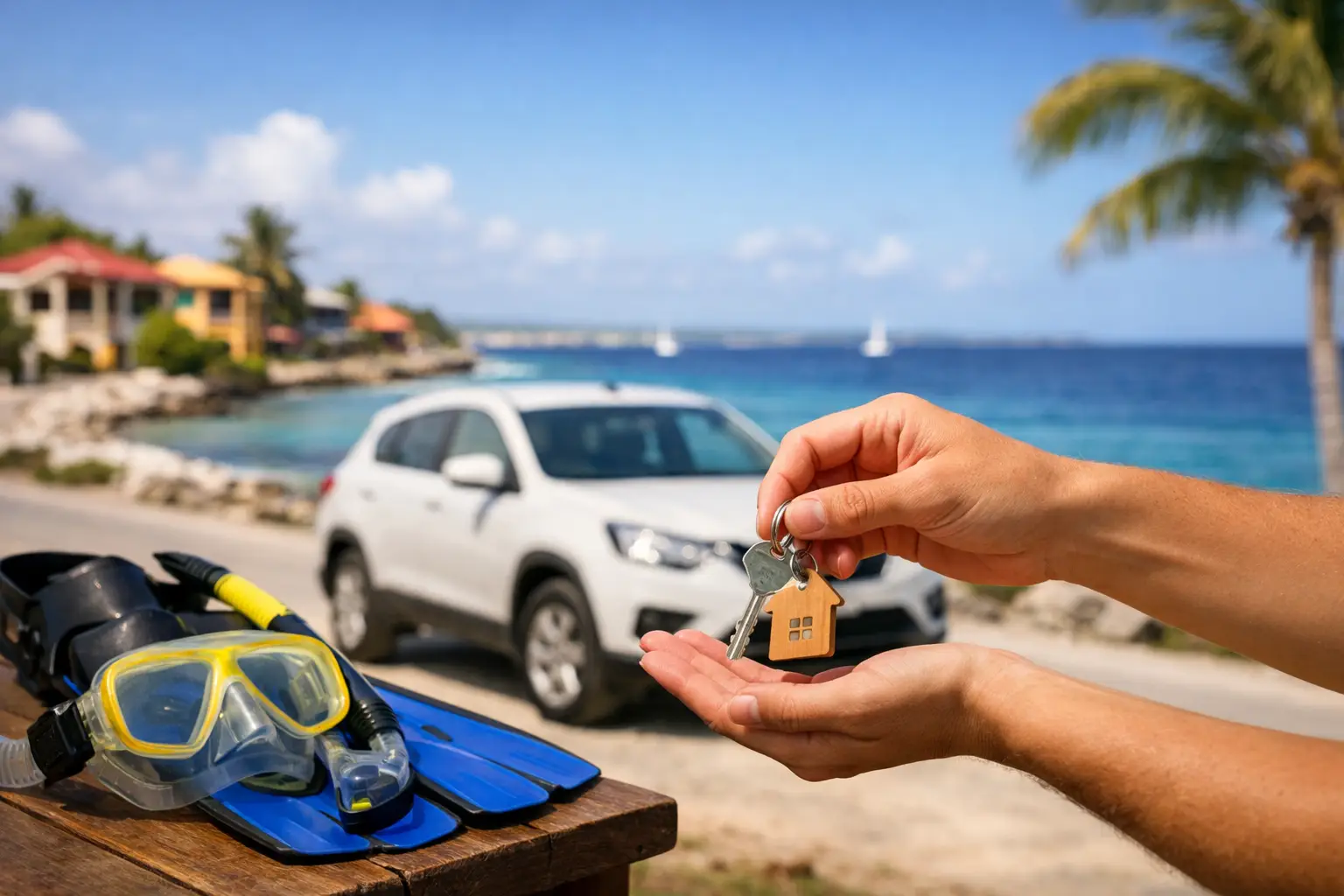
Walk around the car and note existing scratches or dings. Check tires for obvious issues. Make sure lights work. If you are diving, check that you can fit what you brought (coolers, fins, camera boxes, tanks if you are carrying them). Then take a couple of photos on your phone. You are not being picky – you are being smart.
Inside, confirm the A/C is strong. It matters more than people expect, especially after saltwater days.
Step 7: Learn the “Bonaire way” of driving and parking
Driving here is relaxed, but there are a few habits that help.
First, plan for animals. Donkeys and goats are part of Bonaire life, and they do not move like city pedestrians. Slow down at night and on quieter roads.
Second, expect some roads to be rougher outside town. You do not need to white-knuckle it, but you should drive with a little more patience than you would on perfect pavement.
Third, if you are shore diving, do not leave valuables in the car. Bonaire is friendly, but smart travel habits apply anywhere. Bring what you need, keep the rest secured, and leave the car simple.
Finally, fuel planning is easy if you do a tiny bit of prep. Know what fuel type your car takes, and ask where the nearest stations are to your accommodation. If you are heading out early for dive sites or a park day, top off the day before.
Matching your rental to the trip you actually want
If your Bonaire trip is built around diving, the right vehicle makes the whole week feel smoother. Many divers love a pickup for the practicality alone. Others prefer a compact SUV or small 4×4-style vehicle because it is easier to park and still feels capable.
If you are traveling as a couple and want simple beach days plus dinners in town, an economy car can be perfect. You will spend less and still see plenty of the island.
If you are coming with family, prioritize space and comfort. Car seats, luggage, and grocery stops add up quickly. The best rental is the one that makes the daily routine feel effortless.
If your plans include Washington Slagbaai National Park, do not treat it as an afterthought. Choose a vehicle that supports that day confidently, and you will enjoy the park instead of worrying about the road.
Booking with a local company vs a big-name brand
This is a personal choice, but here is the honest trade-off.
Big brands can feel familiar, especially if you rent often in the US. But on an island, what you usually want most is speed, flexibility, and someone who can answer local questions without transferring you three times.
Local, family-run companies tend to win on the on-island experience: easier communication, practical advice (like what vehicle fits your dive plan), and help if something unexpected pops up. The best local operators also keep the process simple: clear rates, clean vehicles, and a pickup plan that respects your travel day.
If you want a straightforward option that’s built around easy arrivals, free airport transfers, and a fleet that matches how people actually explore Bonaire, you can reserve with Caribe Car Rental Bonaire and get set up before you fly.
A few common “it depends” questions
A lot of renters ask if they truly need a 4×4. If you are staying around town and typical beach areas, you may not. If you are set on the national park or you just want extra clearance and confidence on rough patches, it can be worth it.
People also ask if scooters are a good idea. They can be fun for short trips, but consider heat, sun exposure, and what you are carrying. If you are diving, a scooter usually does not solve the gear problem.
And yes, parking is generally easy, but smaller vehicles make it even easier around busy dinner times in Kralendijk.
If you plan your rental around what you will do most days, the island feels simple. You stop negotiating with logistics and start making decisions based on the weather, your energy level, and what looks good in the moment.
Close your laptop with one last thought: the best Bonaire days are the unplanned ones, and having the right rental car is what lets you say “sure” when someone mentions a new beach, a new dive site, or a sunset spot you did not know existed.
 EN_CA
EN_CA  EN
EN  NL
NL