
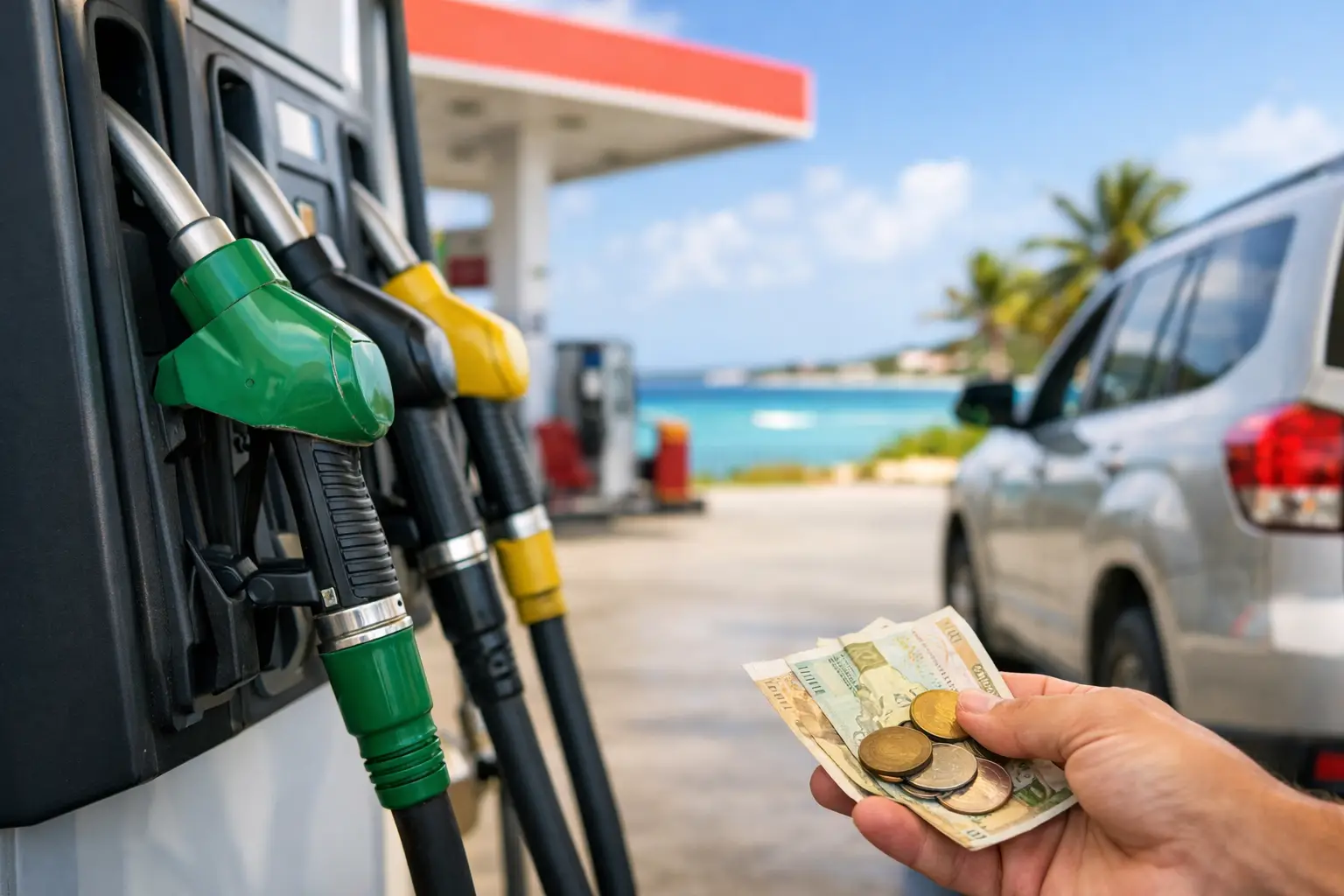

Landing on Bonaire with a rental car plan feels easy right up until you realize you are not fully sure when gas stations open, whether your card will work, or how late you can count on a pump being available. If you are searching for bonaire gas stations hours and payment, the short version is this: plan ahead, do not assume 24-hour service, and carry a backup payment option.
That matters more here than it does in many U.S. destinations. Bonaire runs on island time in the best sense – relaxed, friendly, and straightforward – but fuel stops are one of those practical details that can shape your day fast. If you are heading out early for a shore dive, driving north, or returning a rental before a flight, a little preparation saves a lot of stress.
What to know about Bonaire gas stations hours and payment
Bonaire is not a place where you should assume every gas station keeps the same schedule or offers the same payment setup. Hours can vary by station, by day of the week, and sometimes around holidays. Some stations may open early enough for morning errands, while others may not fit your timeline if you wait until the last minute.
For most visitors, the safest approach is to fuel during regular daytime business hours and not push it close to evening. Even if a station appears open, payment methods may be more limited outside the busiest part of the day. The island is easy to drive, but convenience is not always built around a late-night refill.
If your trip includes dive schedules, beach hopping, or a full day at Washington Slagbaai National Park, this becomes even more relevant. You do not want to be watching the fuel gauge while deciding whether to turn back early.
Are gas stations open late on Bonaire?
Sometimes, but that is not something to build your whole day around. Visitors used to large U.S. cities often expect long hours or 24-hour pumps. On Bonaire, that expectation can create avoidable problems.
Late afternoon or early evening may still be fine depending on the station, but once you move past standard daytime hours, certainty drops. If you have an early next-day departure, refill the day before. If you are planning a sunset dinner on the south end and notice the tank is low, handle fuel first and enjoy the evening after.
That one habit alone removes most fueling stress.
Payment at Bonaire gas stations
Payment is where visitors most often get caught off guard. In the U.S., travelers are used to nearly every station accepting major cards at the pump with little thought. On Bonaire, payment can be simple, but it is smart to stay flexible.
Many stations accept common credit and debit cards, but acceptance may vary. Some cards work reliably, while others may trigger issues because of international settings, fraud blocks, or chip-and-PIN differences. Even when cards are generally accepted, machine hiccups happen. That is why carrying some cash is still a good backup move.
U.S. visitors should also remember that foreign transaction policies depend on the card issuer. Even if your card works perfectly, your bank may treat the purchase differently than a domestic gas charge.
Do Bonaire gas stations take credit cards?
Often yes, but not always in the exact way you expect. A station may accept cards inside rather than fully at the pump, or one card network may be smoother than another. Visa and Mastercard are typically your safest bet, while reliance on a single payment method is not ideal.
If your card requires a ZIP code for pump verification in the U.S., that process may not translate the same way abroad. Some travelers find that a card which works fine at restaurants or shops behaves differently at a fuel pump. It is less about Bonaire being difficult and more about cross-border payment systems not always being perfectly consistent.
Should you carry cash for fuel?
Yes. Not because you will always need it, but because it gives you a clean fallback if a machine is down or a card is declined unexpectedly. Carrying a modest amount of cash is just practical island travel.
You do not need to overdo it. The point is not to pay for everything in cash. The point is to avoid turning a simple gas stop into a schedule problem.
Best fueling strategy for visitors
The best strategy is simple: refill earlier than you think you need to. Bonaire is small enough that you may be tempted to delay, especially if you are only driving between your accommodation, dive shops, and restaurants. But smaller island geography can create false confidence. A half tank may seem like plenty until your plans change and you add extra drives, site detours, or a longer day on rougher roads.
A good rhythm is to top off in the late morning or afternoon when stations are clearly operating and you are not rushed. This works especially well before a northbound exploration day or before returning your vehicle.
If you are renting a pickup, SUV, or 4×4 for gear hauling or park access, pay even closer attention. Utility vehicles are the right fit for many Bonaire adventures, but they can use more fuel than a small economy car. It depends on your route, your load, and how much off-pavement driving you are doing.
Fueling before Washington Slagbaai National Park
This is where planning matters most. If you are heading into Washington Slagbaai National Park, do not start the day wondering whether you can fuel later. Fill up beforehand.
The park trip is one of Bonaire’s highlights, especially for travelers who want the island beyond the waterfront postcard version. But that kind of day is exactly when you want the basics handled in advance – fuel, water, snacks, and a vehicle that matches the terrain.
If you are making a full park day of it, treat the gas station stop as part of the departure checklist, not something to figure out on the way back.
Fueling before airport drop-off
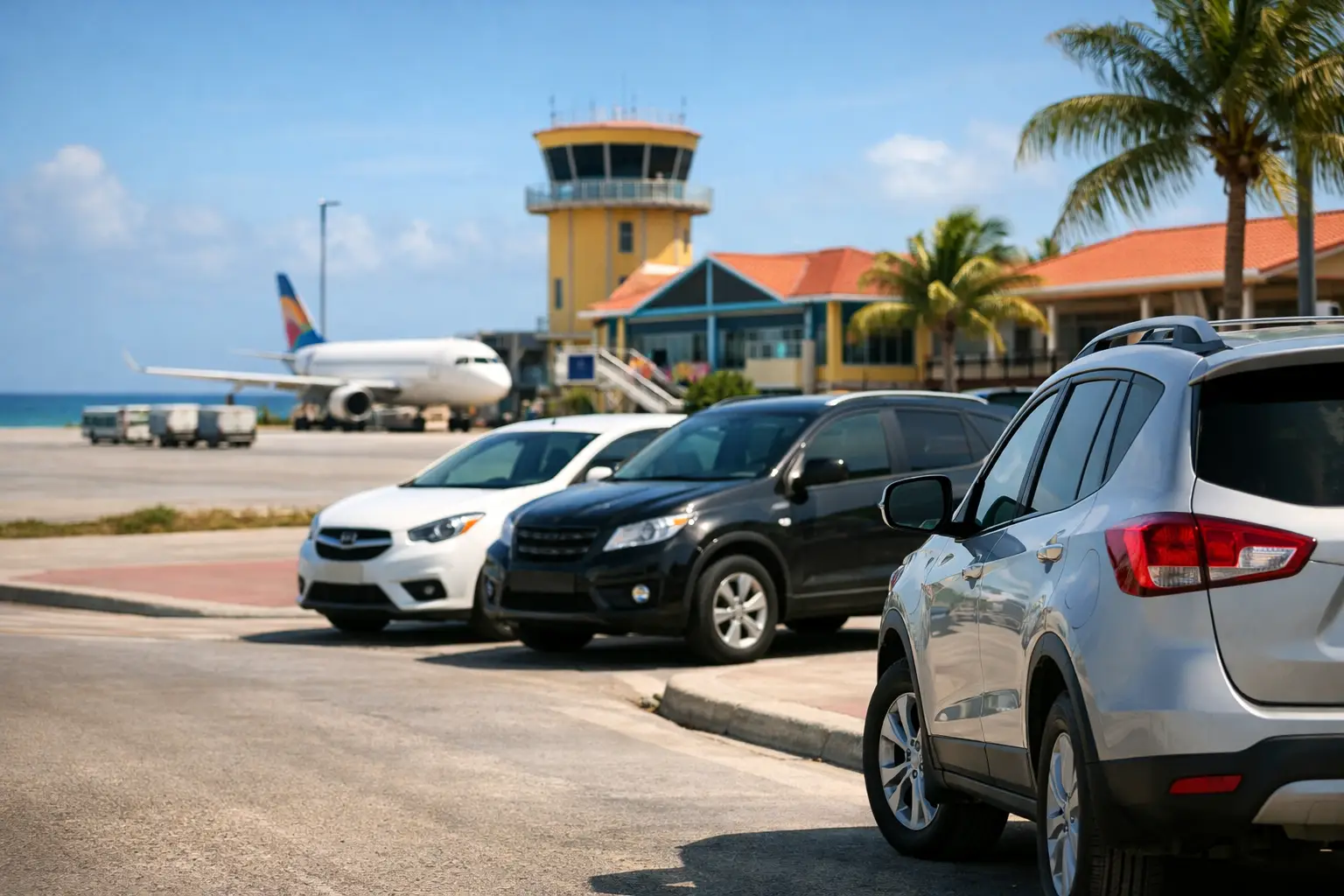
Returning a rental on Bonaire is usually easiest when you keep it simple. Do not leave your refill for the final hour before your flight unless your rental provider specifically tells you that timing will be easy and predictable. Island travel is relaxed, but departure mornings feel a lot better when you are not squeezing in one extra errand.
The safest move is to refill the day before, especially if you have an early flight. That gives you room for normal variables like a busy station, a card issue, or a small route change.
For travelers who value hassle-free exploration, this is one of the easiest wins of the trip.
Common mistakes travelers make
The biggest mistake is assuming Bonaire works exactly like home. It is friendly and easy to navigate, but some details run differently. Gas station timing is one of them.
Another common mistake is relying on one card only. If that card gets flagged or the machine does not like the transaction, your quick stop becomes a detour. A second card or some cash solves that.
The third mistake is treating fueling as an end-of-day problem. On Bonaire, it is smarter to handle practical tasks while the day is still open.
A few smart habits that make driving easier
Check your fuel level before breakfast if you have a big day planned. Refill before heading north or before any longer sightseeing loop. Keep one backup payment option with you. And if you are ever unsure about local station timing, ask before you set out.
That last part is underrated. Local guidance makes a real difference on Bonaire. A helpful rental team can tell you what is usually easiest, which matters more than generic travel advice pulled from outdated forum posts. Caribe Car Rental Bonaire, for example, builds a lot of its service around making island driving feel simpler from the start, and fuel planning is part of that bigger stress-free picture.
So what should you do in practice?
Treat gas the same way you treat sunscreen and water on Bonaire – something basic that is easy to manage if you think one step ahead. Fuel during normal daytime hours, expect card acceptance to be common but not guaranteed in every situation, and carry a backup form of payment.
That gives you freedom to enjoy the island the right way: not watching the clock, not watching the fuel gauge, and not turning a good day into a rushed one over something so easy to handle early.

 EN_CA
EN_CA  EN
EN  NL
NL