
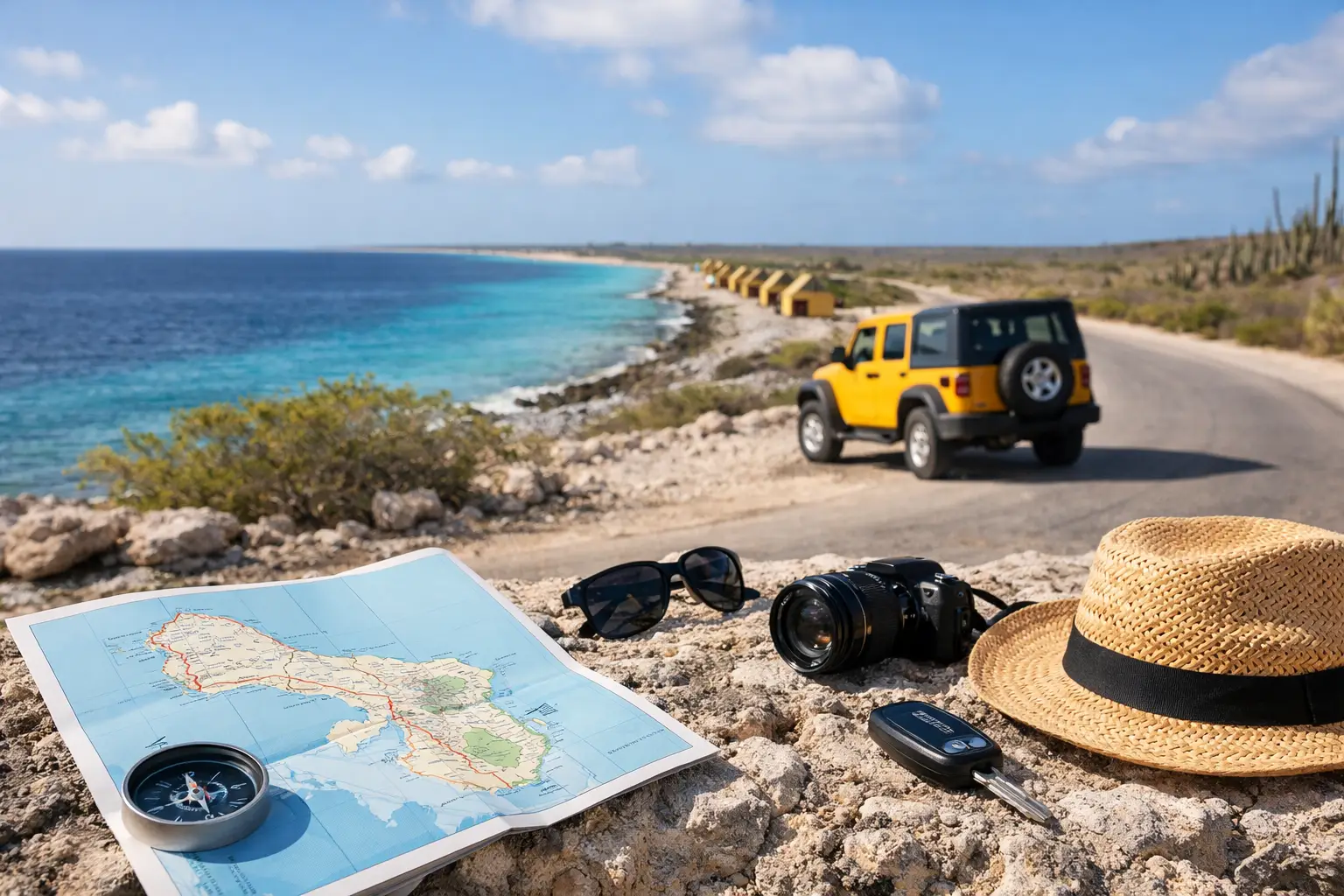

The fastest way to waste time on Bonaire is to treat the island like a place where you can just wing the driving. You can absolutely be spontaneous here, but if you want more beach stops, easier dive days, and less backtracking, it helps to know how to plan a Bonaire driving itinerary before you arrive.
Bonaire is compact, which tricks some visitors into thinking every stop is close enough to figure out on the fly. In practice, your days go better when your route matches your priorities. A south-focused day built around shore diving looks very different from a national park day or a casual sightseeing loop with lunch and a beach stop. The right plan saves energy, keeps the car organized, and gives you more time where you actually want to be.
How to plan a Bonaire driving itinerary around your trip style
Start with the reason you came. That sounds obvious, but many visitors build an itinerary around landmarks instead of the experience they want. If your trip is mainly about diving, your driving plan should prioritize easy gear loading, practical parking, rinse-friendly timing, and short hops between sites. If you are here with family or as a couple mixing beach time with sightseeing, comfort and pace matter more than how many pins you can fit on a map.
A good rule is to split Bonaire into day types instead of trying to cram the whole island into every outing. Most travelers do best with three kinds of driving days: the south, the west coast near town and resort areas, and the north including Washington Slagbaai National Park. Each one has its own rhythm, and combining too much usually leads to rushed stops and a lot of getting in and out of the car.
The south is usually the easiest place to start. The roads are straightforward, the scenery changes quickly, and many visitors want to see the salt flats, pink water, flamingos, and famous shoreline dive sites. It works well as a half-day or full-day route, depending on whether you plan to swim, snorkel, or dive along the way.
The north asks for more intention. Distances can feel longer, roads can be rougher, and a park day is not the same thing as a scenic cruise. If Washington Slagbaai is on your list, plan that as its own day and choose your vehicle accordingly.
Choose the right vehicle before you choose the route
This is where a lot of Bonaire planning goes right or wrong. Your itinerary should fit the vehicle, and your vehicle should fit the places you want to reach.
If your plans center on town, beach clubs, restaurants, and easy sightseeing, a standard car may be all you need. It keeps things simple and comfortable, especially for couples who pack light and are not hauling dive tanks or coolers.
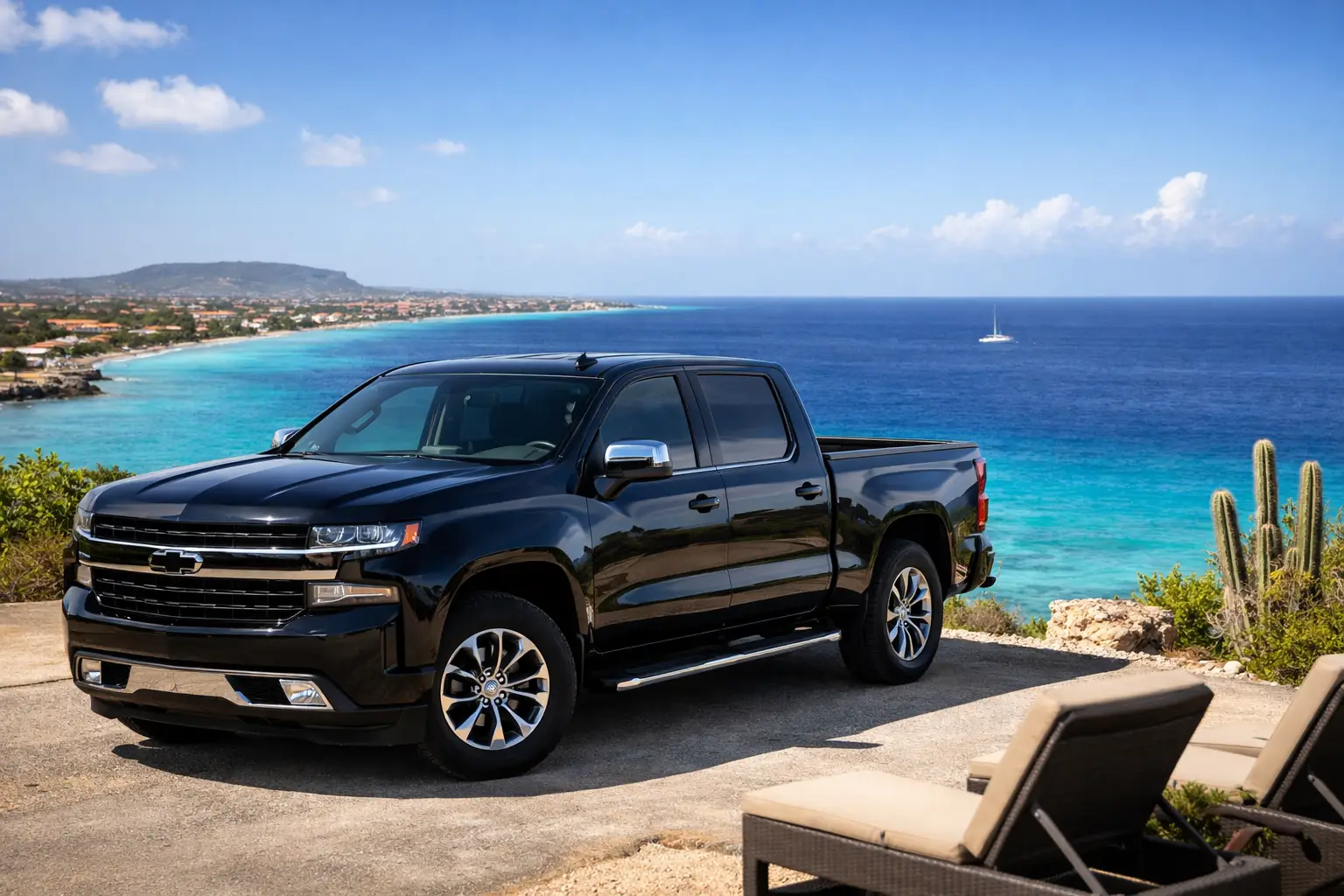
If you are diving from shore, traveling with friends, or carrying a lot of gear, a pickup or SUV often makes the day much easier. Loading and unloading is faster, sandy or wet items stay out of the cabin, and everyone has a little more breathing room. For travelers who want to reach rougher areas or spend a full day in Washington Slagbaai National Park, a 4×4 or capable pickup is the better call. That is not about overdoing it. It is about making the day smoother and avoiding the stress of taking the wrong vehicle onto roads that demand more clearance and grip.
That trade-off matters. A smaller car may cost less and park easily, but it can feel cramped on gear-heavy days. A larger vehicle gives you flexibility, though it may be more than you need for a simple dinner-and-beach schedule. The smartest itinerary planning starts with an honest look at what you will carry and where you will actually go.
Build your days by area, not by checklist
When people ask how to plan a Bonaire driving itinerary, the most useful answer is this: stop chasing every stop in one loop. Group nearby places together and give each area room to breathe.
A south day can be relaxed and productive. Start earlier, especially if you want better light for photos or calmer conditions for a water stop. Drive past the salt pans, pause at the viewpoints that interest you, and leave enough time for one or two meaningful stops instead of five rushed ones. If shore diving is part of the plan, fewer sites usually means a better day. You spend less time moving the vehicle and more time in the water.
A west coast day is more flexible. This is where it makes sense to combine errands, lunch, easier beaches, and sunset plans. If you are staying near Kralendijk, you can keep this day intentionally loose. It is the best part of the island for a low-pressure itinerary because returning to your accommodation or changing plans is easy.
A north day needs structure. Fuel up, bring water, and leave earlier than you think you need to. If the park is the goal, treat it like the main event. Trying to do the park and then stack multiple south-island sightseeing stops onto the same day usually turns into a long, tiring drive.
Time matters more than distance on Bonaire
Bonaire is not a place where long drives dominate your day, but timing still shapes the experience. Midday heat is real, and repetitive in-and-out stops become less fun when the sun is high and you are juggling towels, fins, cameras, or kids.
Morning is usually best for the stops that require more energy. That might mean a dive site setup, a park entrance, or a scenic drive with photo breaks. Save easier beach time, lunch, or a casual coastal cruise for later in the day. Sunset hours are ideal for a simple drive with one final stop instead of a complicated route.
It also helps to leave margin in the schedule. Bonaire rewards people who notice a beach they did not plan on, a food stop they want to try, or a viewpoint worth lingering at. If every hour is packed, the island feels more rushed than it should.
Plan around activities, not just attractions
The best Bonaire itineraries are activity-first. A diver needs a different rhythm than a sightseeing couple, and a family with kids needs a different pace than a group of friends chasing remote beaches.
For shore divers, think through the full sequence of the day: where you will load gear, where you will park, how many site changes are realistic, and whether you want to head back before dinner or stay out until sunset. Two well-chosen dives with a smart route often beat a more ambitious plan that leaves everyone tired and disorganized.
For non-divers, driving days are usually better when they mix movement and downtime. A scenic route, one swim stop, one lunch stop, and one scenic pause is often enough for a satisfying day. More than that can start to feel like checking boxes.
For park visitors, preparation matters more than volume. Snacks, water, sun protection, and a suitable vehicle are part of the itinerary, not afterthoughts. The park is worth the effort, but only when you plan for the conditions rather than treating it like an ordinary paved-road excursion.
Keep your itinerary realistic for your arrival and departure days
This is one of the easiest wins. Do not overbook your first and last day.
Arrival day sounds like a great time for a full island drive, but after flights, airport pickup, check-in, and getting your bearings, most visitors are happier with a short local loop, groceries, and dinner. Bonaire starts feeling easy very quickly once you take that pressure off.
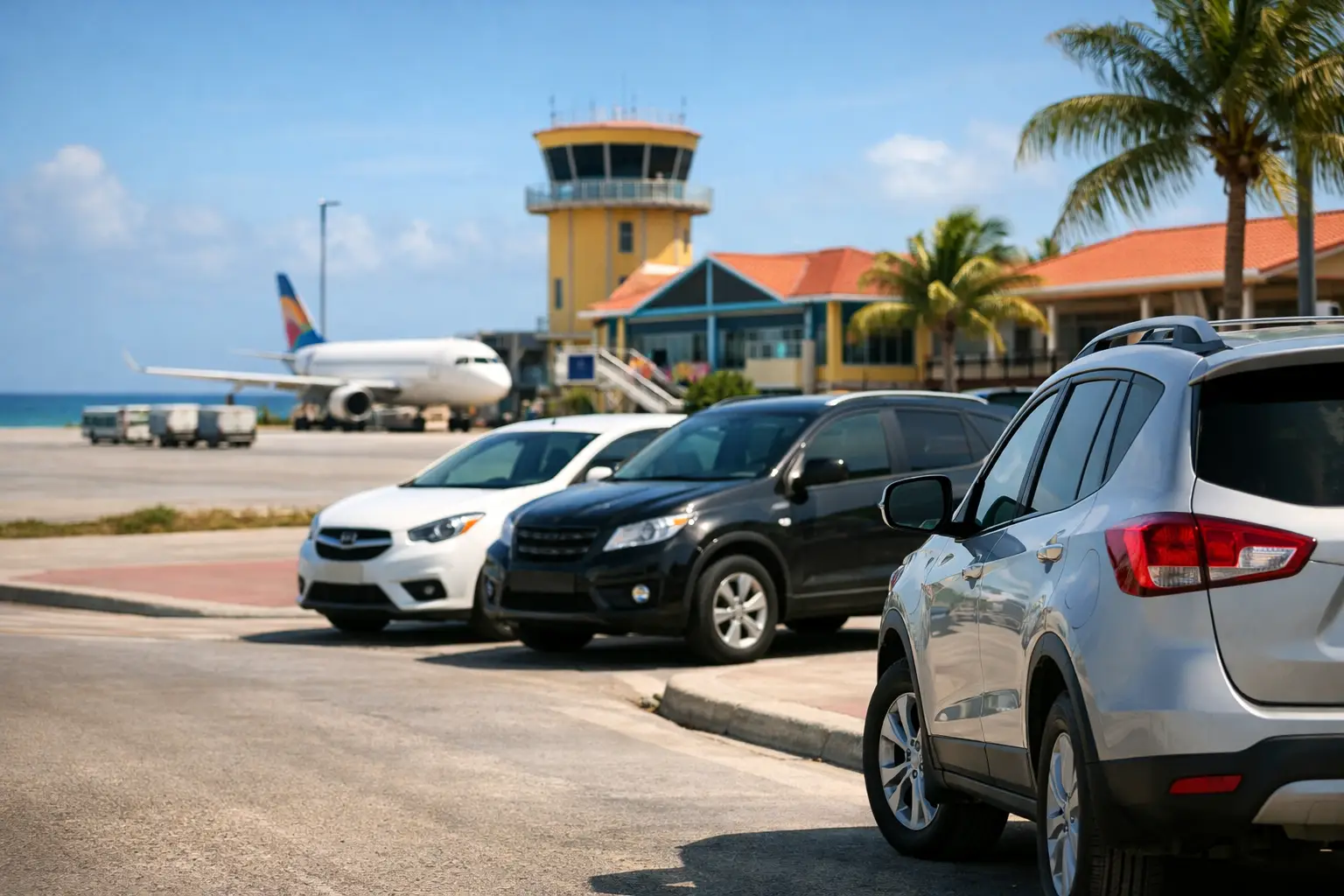
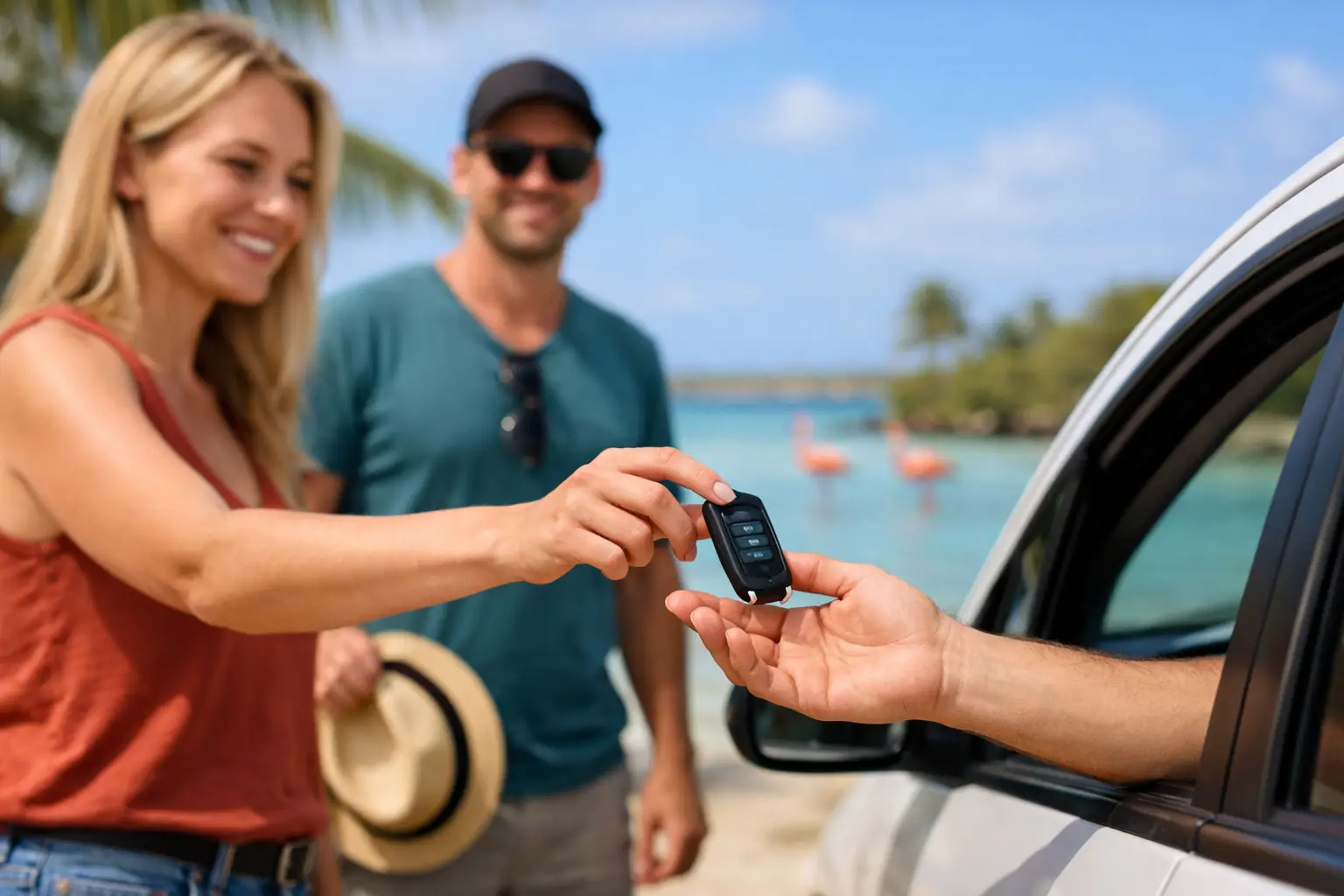
Departure day deserves the same honesty. If you have an early flight, keep plans close and simple. If your departure is later, choose a light outing with no stress attached. This is where a hassle-free rental process and airport transfer support make a real difference. You want your final hours to feel easy, not like a logistics puzzle.
Small planning choices that make a big difference
A cleaner, smoother itinerary usually comes down to a few practical habits. Keep beach and dive gear contained so loading is fast. Do not bounce from north to south just because a map makes the island look tiny. Check what kind of road conditions your day includes. And if one day is built around rougher access or outdoor adventure, do not talk yourself into a vehicle that is cheaper but wrong for the job.
This is also where working with a local rental team helps. A company like Caribe Car Rental Bonaire can point you toward the vehicle that fits your plans instead of leaving you to guess from a generic booking grid. That is especially useful if your trip includes shore diving, a park day, or a mixed itinerary where comfort and cargo space both matter.
The best Bonaire driving plans are not the busiest ones. They are the ones that fit your trip, your people, and your pace. Give each day a purpose, choose a vehicle that makes the route easier, and leave room for the island to surprise you a little. That is usually when Bonaire feels best.
 NL
NL  EN
EN